



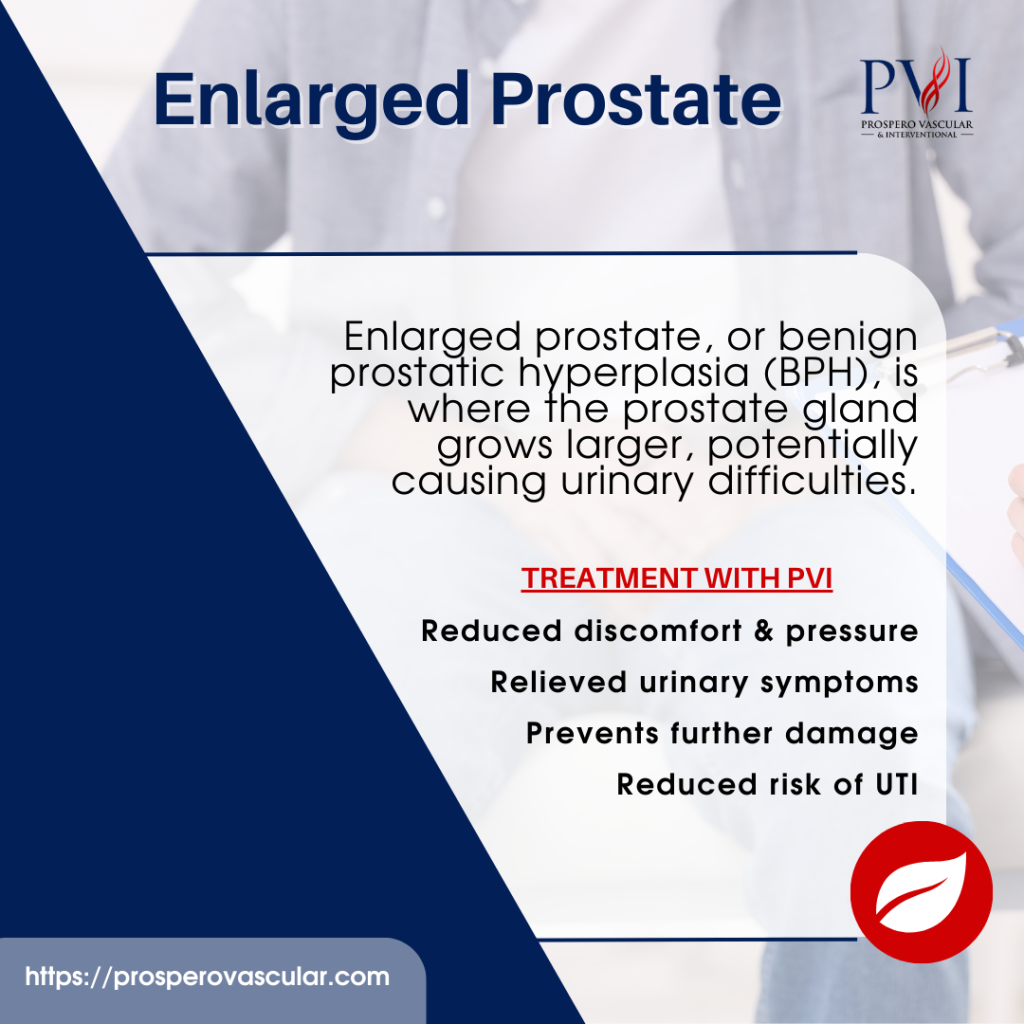
Benign Prostatic Hyperplasia (BPH) is a non-cancerous enlargement of the prostate gland that commonly affects men as they age. The prostate surrounds the urethra, and when it enlarges, it can cause urinary difficulties, including frequent urination, weak urine flow, and incomplete bladder emptying. While BPH is not life-threatening, it can significantly impact quality of life. Various treatments, including medications, minimally invasive procedures, and surgery, can help manage symptoms.
We offer comprehensive BPH treatments options. Call Today to schedule a consultation!
Causes & Risk Factors
BPH occurs due to hormonal changes and natural prostate growth as men age. The exact cause isn’t fully understood, but it is linked to:
- Hormonal Imbalance – Changes in testosterone and dihydrotestosterone (DHT) levels promote prostate growth..
- Testosterone levels - Changes in testosterone and other hormones may contribute.
- Obesity & Sedentary Lifestyle – Increases risk of prostate enlargement.
- Aging Process – Prostate cells multiply over time, leading to gland enlargement. More common in men over 50.
- Family history – Having a father or brother with BPH increases your risk.
- Diabetes & Heart Disease – Conditions linked to metabolic changes may contribute.
Symptoms of BPH
BPH symptoms vary in severity and can worsen over time.
- Frequent urination (especially at night – nocturia)
- Weak or interrupted urine flow
- Difficulty starting urination (hesitancy)
- Dribbling at the end of urination
- Sudden urgency to urinate
- Urinary tract infections (UTIs)
- Bladder stones
- Kidney damage (rare but serious)
- Complete urinary blockage (requiring immediate medical attention)
Benign Prostatic Hyperplasia (BPH)
Diagnosis of BPH
Doctors diagnose BPH through various tests and evaluations:
- Medical History & Symptom Assessment – Evaluates urinary patterns and quality of life impact.
- Digital Rectal Exam (DRE) – Checks for prostate enlargement.
- Urinalysis – Rules out infections or other urinary conditions.
- Prostate-Specific Antigen (PSA) Test – Helps differentiate BPH from prostate cancer.
- Ultrasound or MRI – Assesses prostate size and bladder function.
- Uroflowmetry – Measures urine flow rate.
- Cystoscopy – Uses a small camera to examine the urethra and bladder.
Living With BPH
However, while BPH is not life-threatening, managing symptoms is important for maintaining quality of life.
Daily Management Tips:
- Stay Hydrated (but reduce fluids before bedtime).
- Avoid spicy foods, caffeine, and alcohol (which irritate the bladder).
- Perform Kegel exercises to strengthen pelvic muscles. Practice timed urination (to empty the bladder fully.
- Monitor symptom changes and see a doctor if they worsen.
Treatment Options for BPH
BPH treatment depends on symptom severity and overall health.
- Lifestyle changes: To manage BPH symptoms effectively, reduce evening fluid intake to minimize nighttime urination. Limit caffeine and alcohol consumption, as they can irritate the bladder. Maintain a healthy weight and engage in regular exercise to support overall prostate health. Practice double voiding, which involves waiting and urinating again to ensure the bladder is fully emptied. Additionally, avoid certain medications, such as decongestants, which can worsen urinary symptoms.
- Medications:
Alpha-blockers (e.g., Tamsulosin, Doxazosin) – Relax prostate muscles to improve urine flow.
5-alpha reductase inhibitors (e.g., Finasteride, Dutasteride) – Shrink the prostate over time.
Combination therapy – A mix of both drug types for enhanced effect.
Anticholinergics or Beta-3 Agonists – Helps reduce bladder irritation. - Minimally Invasive Procedures for BPH:
These procedures offer symptom relief without major surgery.
UroLift® – Uses small implants to lift and hold the prostate away from the urethra.
Rezūm™ Therapy – Uses steam to shrink excess prostate tissue.
Prostatic Artery Embolization (PAE) – Blocks blood flow to reduce prostate size.
Transurethral Microwave Therapy (TUMT) – Heat destroys excess prostate tissue. - Surgical Options for Severe BPH:
Transurethral Resection of the Prostate (TURP) – Removes prostate tissue via the urethra.
Laser Therapy (HoLEP, GreenLight Laser) – Vaporizes or cuts excess prostate tissue.
Simple Prostatectomy – Open surgery for extremely enlarged prostates.
Interventional Radiology for BPH
Prostatic Artery Embolization (PAE) is a leading interventional radiology (IR) treatment for BPH.
What is PAE?
PAE is a non-surgical, minimally invasive procedure that shrinks the prostate by blocking blood flow to it.
- Performed by an Interventional Radiologist.
- Uses tiny particles to reduce blood supply to the prostate.
- No general anesthesia required.
- Short recovery time compared to surgery.
Benefits of PAE:
- Effective in reducing urinary symptoms.
- Low risk of sexual dysfunction compared to TURP.
- Performed as an outpatient procedure.
- Suitable for men who cannot undergo surgery.
Who is a Candidate for PAE?
- Men with moderate to severe BPH symptoms.
- Those seeking an alternative to TURP or medications.
- Patients with enlarged prostates (over 80-100 grams).
FAQ: Common BPH Questions
Does BPH lead to prostate cancer?
No, BPH is not cancer and does not increase the risk of prostate cancer. However, both conditions can coexist, so screening is important.
At what age does BPH usually start?
BPH typically begins after age 50 and becomes more common with age.
Can BPH go away on its own?
No, BPH does not resolve on its own, but symptoms can be managed with lifestyle changes, medications, or procedures.
Is surgery the only option for BPH?
No, surgery is only needed for severe cases. Many men manage symptoms with medications, lifestyle changes, or minimally invasive treatments like PAE or UroLift®.
Does BPH affect sexual function?
Some treatments (like TURP) may impact sexual function, but options like PAE and UroLift® have a lower risk of sexual side effects.
Can diet and exercise help with BPH? a doctor for PAD?
Yes, weight management, regular exercise, and a healthy diet (rich in vegetables, omega-3s, and antioxidants) can help reduce symptoms.
Why Choose Prospero?
Exceptional patient-centered care, innovative treatments, and a focus on quick recovery without surgery.
- Experienced Interventional Specialists: Our skilled team offers advanced, image-guided procedures for vascular and non-vascular conditions.
- Minimally Invasive Treatments: We focus on outpatient solutions that reduce recovery time, often allowing for same or next-day recovery.
- Comprehensive & Compassionate Care: We take a patient-centered approach, ensuring comfort, safety, and optimal outcomes.
- Flexible & Same-Day Appointments: Prioritize your health without long wait times.

Latest Articles about Benign Prostatic Hyperplasia

Enlarged Prostate (BPH)
An enlarged prostate, medically known as Benign Prostatic Hyperplasia (BPH), affects a large portion of men over 50. If you’re…
Read more
Benign Prostatic Hyperplasia (BPH)
Benign Prostatic Hyperplasia—commonly known as BPH or enlarged prostate—is a condition that affects millions of men, particularly as they age.…
Read more
Enlarged Prostate Slowing You Down?
Size Doesn’t Always Matter, But in the Case of Your Prostate… Let’s face it: when we think of the word…
Read more