

ANGIOPLASTY
At Prospero Vascular, we specialize in providing minimally invasive outpatient procedures that restore blood flow and dramatically improve quality of life. One of the most common and effective procedures we perform is angioplasty — a targeted treatment designed to open narrowed or blocked blood vessels, especially in patients with vascular conditions like Peripheral Artery Disease (PAD).
What Is Angioplasty?
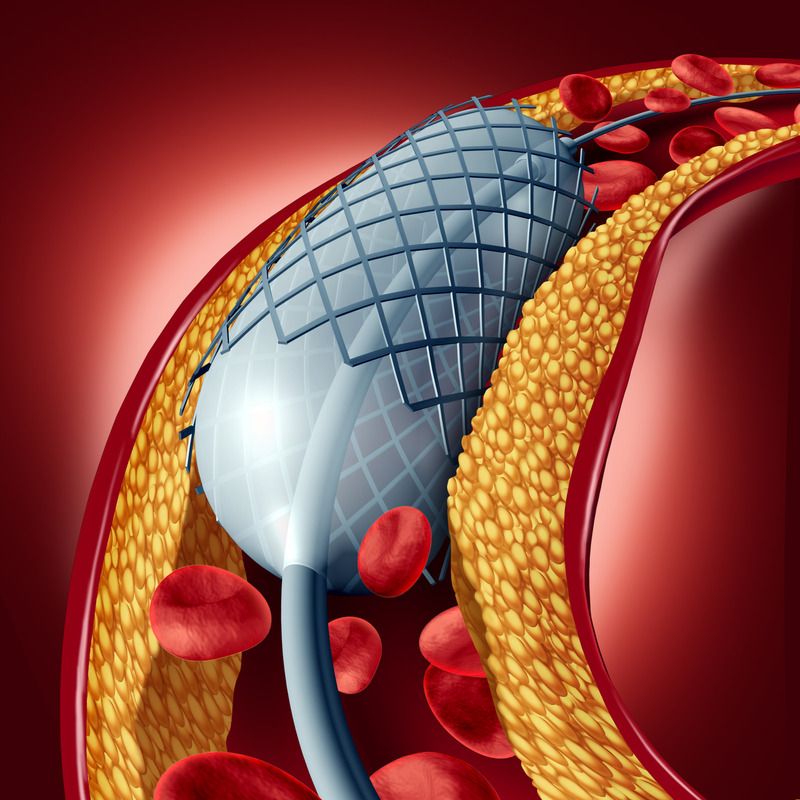
Angioplasty is a non-surgical, image-guided procedure that restores proper blood flow through narrowed or blocked arteries. Over time, arteries can become narrowed due to plaque buildup — a condition known as atherosclerosis. When this occurs in the legs, it’s called Peripheral Artery Disease, which can cause pain, cramping, slow wound healing, and in severe cases, tissue death or amputation.
During angioplasty, a small balloon is carefully inserted into the affected artery and then inflated to compress the plaque and widen the vessel. In some cases, a small mesh tube called a stent may also be inserted to help keep the artery open long-term.
Angioplasty at Prospero Vascular is done entirely on an outpatient basis, using local anesthesia and sedation if needed. Most patients go home the same day with minimal recovery time and a dramatic improvement in symptoms.
What to Expect During the Procedure
At Prospero Vascular, our team follows a streamlined and patient-focused process from consultation to discharge. Here’s how it works:
1. Initial Consultation and Imaging
Your journey begins with a comprehensive evaluation. We’ll review your symptoms, medical history, and conduct imaging tests — such as duplex ultrasound or angiography — to locate the narrowed artery and determine the severity of the blockage.
2. Procedure Day
The procedure itself is done in our state-of-the-art outpatient facility, under local anesthesia with optional conscious sedation.
- A small puncture is made, usually in the groin or wrist, to access your artery.
- A thin, flexible catheter is guided through your arteries to the blockage site using fluoroscopic (live X-ray) imaging.
- Once in place, a balloon at the catheter tip is gently inflated to push plaque against the artery wall and open the vessel.
- If necessary, a stent (a tiny wire mesh scaffold) may be placed to help keep the artery open permanently.
- After the balloon is deflated and removed, the catheter is withdrawn, and the access site is bandaged.
3. Recovery and Discharge
After a brief observation period — typically 1–3 hours — most patients are cleared to return home the same day. You’ll receive detailed aftercare instructions and follow-up appointments to monitor your progress.

Who Is a Candidate for Angioplasty?
Angioplasty is not just for the critically ill — it’s for anyone dealing with reduced blood flow due to arterial narrowing. You might be a strong candidate if you have:
- Peripheral Artery Disease (PAD)
Especially if you experience leg pain, cramping, or numbness when walking — symptoms known as claudication. - Non-healing wounds or ulcers on the legs or feet
Poor circulation can prevent wounds from healing, increasing the risk of infection and tissue death. - Diabetes
Diabetics often suffer from vascular complications that benefit from revascularization procedures like angioplasty. - Chronic kidney disease
If you use a dialysis fistula or graft that has become narrowed, angioplasty can help restore flow and prolong access life. - Smoking history or high cholesterol
Both of these increase the risk of plaque buildup in the arteries. - Critical Limb Ischemia (CLI)
A severe form of PAD that threatens limb viability and requires urgent treatment.
Angioplasty is especially ideal for patients who are not good candidates for open surgery due to age, health conditions, or personal preference. The minimally invasive nature and fast recovery time make it a valuable first-line intervention.
Conditions Treated With Angioplasty
Angioplasty is used to treat a wide range of vascular conditions. At Prospero Vascular, our most common applications include:
Peripheral Artery Disease (PAD)
This is the most frequent indication for angioplasty in an outpatient vascular center. PAD occurs when arteries in the legs become narrowed or blocked, leading to poor circulation. Angioplasty restores blood flow, reduces pain, and prevents limb loss.
Critical Limb Ischemia (CLI)
A more advanced form of PAD, CLI can cause severe pain at rest, non-healing wounds, and tissue death. Angioplasty is often used urgently to save the limb and improve blood supply.
Dialysis Access Maintenance
For patients with dialysis fistulas or grafts, angioplasty can reopen narrowed sections, restore flow, and prevent the need for more invasive interventions.
Renal Artery Stenosis (in select cases)
Although not always treated in an outpatient setting, angioplasty can be used to open narrowed arteries leading to the kidneys, improving blood pressure control and kidney function.
Benefits of Angioplasty at Prospero Vascular
Choosing Prospero Vascular for your angioplasty means choosing:
- Minimally invasive care – No large incisions, no general anesthesia.
- Outpatient convenience – Be home the same day.
- Lower cost – Outpatient procedures often cost significantly less than hospital-based alternatives.
- Quicker recovery – Return to your daily routine in less time.
- Advanced imaging and technology – We use cutting-edge equipment to ensure the highest precision and safety.
- Experienced specialists – Our team is focused exclusively on vascular and interventional care.
We know that circulation issues can affect every part of your life — from your mobility to your independence. Our goal is to give you those things back, safely and effectively.
Risks and Complications
As with any medical procedure, angioplasty carries some risks. At Prospero Vascular, safety is our highest priority, and complications are rare, but it’s important to be informed:
- Bleeding or bruising at the access site (usually the groin or wrist)
- Infection, although very rare
- Artery re-narrowing (restenosis), which may require repeat treatment
- Blood clots forming in or around the treated area
- Allergic reaction to contrast dye used in imaging
- Kidney stress from contrast dye (especially in patients with existing kidney disease)
We take extensive precautions to minimize these risks, including pre-procedure screenings and post-procedure monitoring.
Recovery and Aftercare
After angioplasty, most patients feel improvement in symptoms quickly — often the same day or within a few days. Your aftercare plan may include:
- Short-term activity restrictions (typically no heavy lifting for 24–48 hours)
- Medications to prevent clotting and help maintain the benefits of the procedure — such as aspirin or a prescription antiplatelet like clopidogrel
- Cholesterol management through statins and dietary changes
- Lifestyle modifications like quitting smoking, improving diet, and increasing exercise
- Regular follow-up appointments and imaging to monitor the treated arteries
Our team will stay with you every step of the way to ensure lasting results.
Frequently Asked Questions
How long does the procedure take?
Most angioplasties take between 30 minutes to 1.5 hours, depending on how many arteries are treated.
Will I need a stent?
Not always. Stents are used if we believe the artery is at risk of collapsing or narrowing again. We’ll make that decision based on real-time imaging during the procedure.
Can I drive myself home?
No. You’ll need someone to drive you home, as light sedation and access site precautions require you to rest afterward.
Is angioplasty covered by insurance?
In most cases, yes. Angioplasty is considered medically necessary when used to treat PAD or other vascular conditions. Our office will verify your coverage and handle the paperwork.
Does it hurt?
You may feel some pressure during balloon inflation, but most patients report only mild discomfort. The procedure is done under local anesthesia and sedation as needed.
Why Choose Prospero Vascular?
We’re not just a clinic — we’re a partner in your long-term vascular health. At Prospero Vascular, every procedure is guided by:
- Expertise – Our physicians are board-certified and deeply experienced in vascular and interventional procedures.
- Precision – We use advanced imaging tools to ensure accuracy and safety.
- Comfort – You’ll be treated in a calm, outpatient setting designed for your peace of mind.
- Continuity of care – We follow up and monitor your progress, helping you maintain long-term results.
We specialize in preventing hospitalizations, avoiding amputations, and improving quality of life for patients with vascular disease — all without requiring a hospital stay.
Take the Next Step
If you’ve been diagnosed with Peripheral Artery Disease, are experiencing leg pain, or have a wound that just won’t heal — angioplasty could be the solution.
Let’s restore your circulation. Let’s restore your life.
Contact Prospero Vascular today to schedule your consultation and learn if outpatient angioplasty is right for you.