



Sclerotherapy is a minimally invasive procedure that treats varicose veins and spider veins, two common types of vein conditions that can cause discomfort and unsightly appearance. This procedure involves injecting a special solution directly into the affected veins, so they collapse and the body eventually absorbs them. At Prospero Vascular, we offer sclerotherapy as an effective, outpatient treatment to help patients achieve relief from vein-related issues with minimal downtime.
What is Sclerotherapy?
Sclerotherapy is a non-surgical treatment that involves injecting a solution called a sclerosant directly into problematic veins. The sclerosant causes the vein to close off, forcing blood to reroute to healthier veins. Over time, the treated vein shrinks, scars, and the body reabsorbs it. Specialists most commonly use this procedure to treat varicose veins and spider veins, which are both types of venous insufficiency conditions.
Spider veins are smaller, superficial veins that appear as thin, red or purple lines under the skin. Varicose veins, on the other hand, are larger, swollen veins that can be raised, twisted, and blue or dark purple in color. Both conditions can cause symptoms like pain, heaviness, swelling, and cramping in the affected areas.
Why is Sclerotherapy Performed?
Specialists primarily perform sclerotherapy for cosmetic and medical reasons. While the main goal is to improve the appearance of the veins, the procedure also helps relieve symptoms and prevent complications associated with venous insufficiency. Some of the most common reasons for undergoing sclerotherapy include:
- Varicose veins: These large, swollen veins can cause discomfort, pain, and a feeling of heaviness in the legs. Sclerotherapy helps reduce these symptoms by closing off the affected veins.
- Spider veins: Though typically not painful, spider veins can be unsightly. Sclerotherapy effectively eliminates these veins, restoring the skin's appearance.
- Venous insufficiency: For patients with poor circulation due to damaged veins, sclerotherapy can help prevent the condition from worsening by eliminating problematic veins.
- Cosmetic concerns: Many patients seek sclerotherapy to improve the aesthetic appearance of their legs by removing visible veins.
- In addition to cosmetic benefits, sclerotherapy can provide lasting relief from symptoms like swelling, aching, and cramping associated with varicose veins.
Who is a Candidate for Sclerotherapy?
Sclerotherapy is a safe and effective treatment option for many individuals. You may be a good candidate for sclerotherapy if:
- You have spider veins or varicose veins that cause discomfort, swelling, or cramping.
- You are looking for a non-invasive, outpatient solution to improve the appearance of your veins.
- You are in good overall health and have realistic expectations for the results of the procedure.
- You have not had success with other vein treatments or have not experienced sufficient improvement with conservative measures (like compression stockings).
- You are not pregnant or breastfeeding, as sclerotherapy is not typically performed during pregnancy or lactation.
While sclerotherapy is effective for most patients, it may not be suitable for everyone. Patients with certain health conditions, such as a history of blood clots, or those with veins that are too large for sclerotherapy, may require alternative treatments. A thorough evaluation by an experienced provider is essential to determine if sclerotherapy is the right choice for your specific needs.
How Does the Sclerotherapy Procedure Work?
Specialists perform sclerotherapy in an outpatient setting, usually taking 30 minutes to an hour depending on the number and size of veins being treated. Here's how the procedure typically works:
- Preparation: The area to be treated is cleansed, and the patient may be asked to wear compression stockings to help reduce swelling.
- Injection: The specialist uses a small needle to inject the sclerosant solution directly into the targeted vein. The solution irritates the lining of the vein, causing it to collapse and seal shut. Patients usually tolerate the procedure well, and most patients only experience mild discomfort.
Post-Treatment Care: After the injections, the specialist massages the treated area to help disperse the sclerosant. The care team often advises patients to walk around for a short time to help with circulation. The care team typically recommends compression stockings for a few days following the procedure to ensure the vein remains closed.
Follow-Up: The care team may schedule follow-up appointments to assess the results of the treatment and determine if additional sessions are needed. Some patients may require multiple treatments to achieve the desired result, especially for larger veins or when treating multiple veins at once.
The procedure is minimally invasive, with no need for general anesthesia or incisions. Most patients can resume normal activities shortly after the procedure, though some may need to avoid vigorous exercise for a few days.
What to Expect After Sclerotherapy
One of the primary benefits of sclerotherapy is its quick recovery time. Most patients experience only mild side effects and can return to their daily routine with minimal interruption. Here’s what to expect after the procedure:
- Mild Discomfort: Some patients may experience mild pain, bruising, or swelling in the treated areas. These symptoms usually subside within a few days or weeks.
- Compression Garments: The care team will likely recommend compression stockings or bandages after the procedure to help with circulation and support the healing process. Wearing these as directed is important for optimal results.
- Improvement Over Time: The veins may appear darker immediately after the procedure, but they will gradually fade and the body will absorb them over several weeks to months. Some veins may require additional treatments.
- Activity Recommendations: The care team encourages walking immediately after the procedure to promote circulation. However, you should avoid intense physical activity or standing for long periods in the days following treatment.
- Avoid Sun Exposure: It's important to avoid direct sun exposure to the treated areas for a few weeks, as this can increase the risk of pigmentation changes in the skin.
- In some cases, multiple sclerotherapy sessions may be required, especially if the veins are larger or more widespread. Your provider will work with you to determine the appropriate treatment plan based on your specific condition.
Benefits of Sclerotherapy
Sclerotherapy offers numerous advantages, making it a popular choice for patients seeking treatment for varicose veins and spider veins:
- Minimally invasive: Sclerotherapy does not require surgery, meaning there is less risk of infection, scarring, and long recovery times.
- Effective: Sclerotherapy provides long-lasting results, with many patients experiencing significant improvement in vein appearance and symptoms after treatment.
- Quick recovery: Most patients can resume daily activities shortly after the procedure, making it a convenient option for those with busy schedules.
- Outpatient procedure: Specialists perform sclerotherapy on an outpatient basis, so there is no need for hospitalization or extended stays.
- Minimal downtime: With only mild discomfort and few side effects, sclerotherapy allows for a faster recovery compared to more invasive procedures.
- Overall, sclerotherapy is a safe, effective, and well-tolerated procedure that can dramatically improve the appearance of veins and relieve symptoms associated with venous insufficiency.
Risks and Considerations
While sclerotherapy is generally safe, there are some risks and side effects to be aware of:
- Bruising: Bruising around the injection site is common but typically resolves within a few weeks.
- Swelling: Some mild swelling may occur, which usually subsides on its own.
- Skin discoloration: In some cases, the treated vein may cause temporary pigmentation changes in the skin, which usually fades over time.
- Blood clots: In rare cases, blood clots can form in the treated veins, which may require additional treatment.
- Allergic reactions: Although uncommon, some patients may experience an allergic reaction to the sclerosant solution.
- Your provider will discuss these potential risks with you before the procedure to ensure that you are fully informed and comfortable with your treatment plan.
When to Consider Alternative Treatments
Although sclerotherapy is highly effective for most patients, it may not be the best option for everyone. Alternative treatments for vein-related conditions may include:
- Endovenous Laser Therapy (EVLT): This is another minimally invasive procedure that uses laser energy to close off varicose veins.
- Surgical vein stripping: For larger varicose veins, traditional surgery may be necessary to remove the affected veins.
- Compression stockings: For mild cases of venous insufficiency, wearing compression stockings can help manage symptoms without the need for more invasive procedures.
- Your doctor will help you determine the most appropriate treatment based on your specific condition, preferences, and health history.
Why Choose Prospero Vascular?
At Prospero Vascular, we specialize in providing safe, effective, and minimally invasive treatments for vein conditions like varicose veins and spider veins. Our experienced team of vascular specialists uses the latest techniques to ensure the best possible outcomes for our patients. Here’s why you should choose us for your sclerotherapy treatment:
- Experienced, board-certified specialists in vascular care
- State-of-the-art facilities equipped with the latest technology
- Outpatient procedures that are fast, effective, and minimally invasive
- Personalized care and a commitment to patient satisfaction
- We are dedicated to helping you achieve smoother, healthier skin and relieve the symptoms of vein-related conditions.
Schedule a Consultation
If you are considering sclerotherapy to treat varicose veins or spider veins, Prospero Vascular is here to help. Our team of vascular experts will evaluate your condition and recommend the best treatment options for you. Contact us today to schedule a consultation and take the first step toward healthier, more beautiful legs.
Frequently Asked Questions
What is Sclerotherapy?
Sclerotherapy injects a solution into selected superficial veins to make them close.
How do I know whether Sclerotherapy is right for me?
A specialist can review your symptoms, medical history, imaging or tests, and other treatment options with you. The best choice is individual.
What should I expect after Sclerotherapy?
Recovery and follow-up vary by person and by the exact procedure. Your care team will explain activity limits, warning signs, and when to seek help.
Information on this page is educational and does not replace an individual medical evaluation. Please discuss expected benefits, alternatives, and risks with your treating clinician.
Latest Articles about Venous Diseases

Venous Issues
If you live in Hayward, California, or the surrounding East Bay area, you may be familiar with the discomfort, pain,…
Read more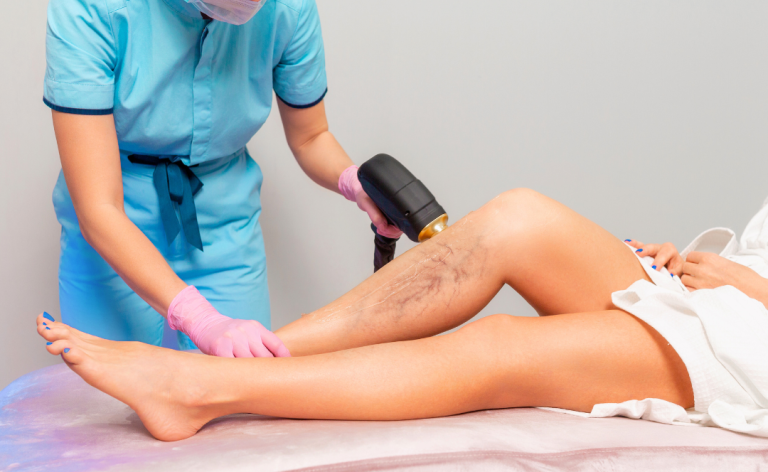
Does Venous Deficiency Have Your Veins Going on Strike?
When Your Veins Start Complaining Picture this: You’re cruising through your day, walking around, and suddenly—BAM! Your legs feel heavy,…
Read more