

Chronic hemorrhoid symptoms can disrupt daily life and cause ongoing discomfort. Many people experience rectal bleeding, anal itching, swelling, and pain that interfere with normal activities. Fortunately, modern interventional radiology now offers minimally invasive treatments that can relieve symptoms without traditional surgery.
At Prospero Vascular & Interventional, patients receive advanced outpatient care focused on safe, non-surgical procedures and faster recovery. The clinic serves the East San Francisco Bay Area and is led by David Soto, a board-certified specialist with more than 15 years of experience in hospital and outpatient settings.
Located in Hayward, the clinic focuses on helping patients restore comfort, improve circulation, and regain confidence in their health.
Understanding chronic hemorrhoid symptoms and causes
Hemorrhoids develop when veins in the rectum or anus become swollen due to increased pressure. These enlarged blood vessels may form inside the rectum (internal hemorrhoids) or under the skin around the anus (external hemorrhoids).
Several lifestyle and health factors contribute to this condition, including:
- Chronic constipation
- Straining during bowel movements
- Sitting for long periods
- Pregnancy and pelvic pressure
- Low-fiber diets
- Aging veins
- Obesity or sedentary lifestyle
Over time, irritated veins may enlarge further and create persistent symptoms.
Common signs of hemorrhoids include:
- Rectal bleeding during bowel movements
- Anal itching and irritation
- Swelling near the anus
- Pain while sitting
- Tender lumps around the rectal area
Although mild hemorrhoids sometimes improve with diet changes or topical creams, persistent cases often require medical treatment.
chronic hemorrhoid treatment without surgery
Many patients worry that surgery is the only solution for persistent hemorrhoids. However, interventional radiology now offers an advanced alternative called Hemorrhoidal Artery Embolization (HAE).
This innovative treatment targets the blood vessels that supply hemorrhoids. By reducing blood flow to the swollen veins, the procedure shrinks hemorrhoids and reduces inflammation.
Doctors perform HAE using real-time imaging guidance. A tiny catheter enters the bloodstream through a small puncture in the wrist or groin. The physician then places microscopic particles into the hemorrhoidal arteries.
These particles safely reduce blood flow and relieve pressure in the affected veins.
Key advantages include:
- No large surgical incision
- Same-day outpatient procedure
- Minimal discomfort
- Faster recovery time
- Lower risk of complications
Because the procedure treats the underlying vascular cause, many patients experience long-lasting relief.
chronic hemorrhoid and the importance of vascular care
Hemorrhoids are actually a vascular condition. They develop from swollen veins that behave similarly to varicose veins elsewhere in the body.
Healthy circulation plays a major role in preventing and treating hemorrhoids. When blood flow becomes restricted or pressure increases in veins, symptoms may worsen.
Vascular specialists use minimally invasive procedures to treat these circulation problems.
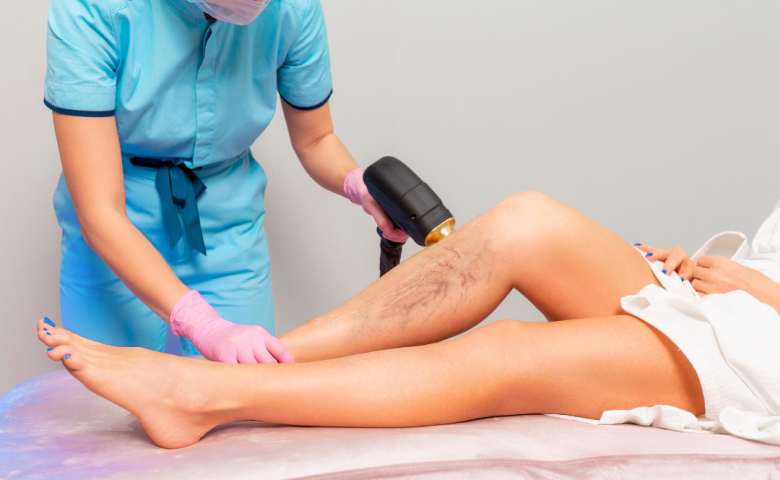
For example, patients with vein conditions often benefit from vein ablation treatment, which closes damaged veins and restores healthy blood flow.
Doctors may also recommend sclerotherapy treatment to reduce swelling in problematic veins.
Improving vascular health can significantly reduce inflammation and promote healing.
Why interventional radiology improves patient outcomes
Interventional radiology has transformed modern medicine. Instead of large surgical incisions, doctors use advanced imaging tools to guide precise treatments inside the body.
Specialists rely on fluoroscopy, ultrasound, and catheter-based techniques to reach the exact source of the problem.
As a result, patients benefit from several advantages:
- Smaller entry points
- Less tissue damage
- Reduced bleeding
- Shorter recovery times
- Same-day outpatient care
These benefits allow many people to return to normal routines quickly.
Other minimally invasive procedures available at Prospero
Prospero Vascular & Interventional offers a wide range of image-guided treatments designed to improve circulation and relieve chronic symptoms.
Common procedures include:
- Angioplasty to restore blood flow in narrowed arteries
- vascular stenting procedures to support weakened blood vessels
- Dialysis access procedures and fistulograms
- Vein ablation and sclerotherapy for venous disease
- Genicular artery embolization for chronic knee pain
- Prostate artery embolization for benign prostatic hyperplasia
- Hemorrhoidal artery embolization for hemorrhoids
- uterine artery embolization treatment for fibroid symptoms
- uterine fibroid embolization to shrink uterine fibroids
- Kyphoplasty for spinal compression fractures
- thoracentesis procedure to remove excess fluid around the lungs
Each procedure focuses on minimizing discomfort while improving long-term health.
A patient-centered outpatient experience
Technology plays a vital role in modern healthcare. However, compassionate care remains equally important.
At Prospero Vascular & Interventional, every patient receives personalized attention and a customized treatment plan.
During the consultation, specialists evaluate symptoms, review medical imaging, and discuss available options. This approach ensures that each patient receives the most effective treatment for their specific condition.
Patients benefit from:
- Individualized care plans
- Clear explanations of procedures
- Comfortable outpatient facilities
- Faster recovery timelines
Most importantly, the clinic strives to help patients improve mobility, relieve pain, and regain quality of life.
When to see a specialist for hemorrhoid symptoms
Occasional hemorrhoids may improve with lifestyle adjustments such as increasing fiber intake or staying hydrated. However, persistent symptoms often require professional evaluation.
You should consult a specialist if you experience:
- Rectal bleeding lasting several weeks
- Pain that interferes with sitting or daily activities
- Recurring hemorrhoid flare-ups
- Persistent swelling near the anus
- Symptoms that worsen over time
Early treatment can prevent complications and provide faster relief.
Minimally invasive procedures now allow many patients to avoid traditional surgery while achieving long-term symptom improvement.