
Vascular near me is a common search for people who notice leg pain, swelling, varicose veins, numbness, cold feet, slow-healing wounds, or other signs of a circulation problem. Finding the right specialist can help you understand what causes your symptoms and what treatment options may fit your needs.
Vascular health affects much more than your blood vessels. Good circulation helps deliver oxygen and nutrients throughout the body. When an artery becomes narrow or a vein does not move blood efficiently, symptoms can develop.
Fortunately, modern vascular care offers more options than traditional surgery alone. Interventional radiology uses imaging and small catheters to diagnose and treat many conditions with less tissue disruption. In appropriate cases, these techniques can support same-day outpatient treatment and a faster return to normal activities.
For people in Hayward and the surrounding East San Francisco Bay Area, Prospero Vascular & Interventional provides specialized outpatient care focused on minimally invasive vascular and interventional radiology procedures.
Why Vascular Health Matters
Your circulatory system includes arteries, veins, and smaller blood vessels. Arteries carry oxygen-rich blood away from the heart. Veins return blood to the heart.
When blood flow becomes restricted, your body may show warning signs.
Common symptoms of vascular disease include:
- Leg pain while walking
- Leg cramps
- Leg swelling
- Varicose veins
- Heavy or tired legs
- Numbness or tingling
- Cold feet
- Skin color changes
- Slow-healing wounds
- Foot or leg ulcers
- Weakness
- Changes in skin texture
- Discomfort after standing
- Pain that improves with rest
Not every symptom means you have a vascular condition. Still, recurring symptoms deserve medical evaluation.
Common Vascular Conditions
Vascular medicine covers a wide range of conditions. Some affect arteries, while others involve veins.
Peripheral Arterial Disease
Peripheral arterial disease, or PAD, develops when arteries that carry blood to the legs and feet become narrowed or blocked. Atherosclerosis, or plaque buildup, often causes the narrowing.
One classic PAD symptom is leg pain during walking that improves after resting. However, symptoms can vary. Some people have little or no discomfort despite having reduced blood flow.
Advanced PAD can cause serious problems. Poor circulation may contribute to non-healing wounds, infections, tissue damage, and, in severe cases, limb-threatening ischemia.
Therefore, early evaluation matters.
Chronic Venous Disease
Venous disease occurs when veins have trouble returning blood to the heart.
Weak or damaged valves can allow blood to pool in the legs. This problem may lead to swelling, aching, heaviness, skin changes, and varicose veins.
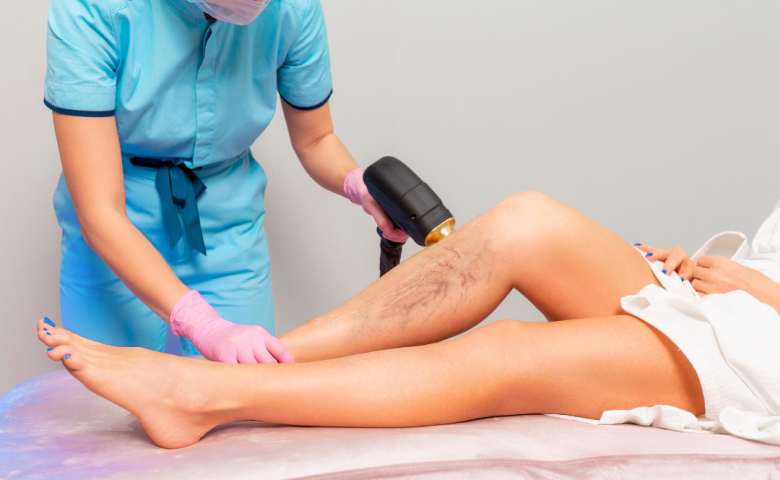
Prospero provides minimally invasive treatments for venous conditions, including vein ablation, laser ablation, and sclerotherapy.
Varicose Veins
Varicose veins are enlarged, twisted veins that often appear on the legs. They can be more than a cosmetic concern.
Some people experience aching, swelling, heaviness, itching, or discomfort after standing for long periods.
A vascular specialist can determine whether the veins need treatment and which option may work best.
Peripheral Neuropathy
Peripheral neuropathy can cause burning, tingling, numbness, or weakness. Diabetes is one common cause.
Because nerve symptoms and circulation symptoms can overlap, an appropriate evaluation can help determine what is happening.
What Should You Look For in a Vascular Specialist?
Searching for a vascular clinic involves more than finding the closest office.
You should consider several factors.
Specialized Training
Vascular and interventional radiology requires specialized medical training. Ask about the physician’s credentials, experience, and focus.
Prospero was founded by Dr. David Soto, a board-certified and fellowship-trained vascular and interventional radiologist with more than 15 years of experience in hospital and outpatient settings.
Minimally Invasive Treatment Options
A comprehensive clinic can offer several treatment paths.
Depending on your condition, these may include:
- Angioplasty
- Vascular stenting
- Dialysis access treatment
- Fistulogram
- Vein ablation
- Laser ablation
- Sclerotherapy
- Embolization
- Radiofrequency ablation
- Image-guided procedures
Prospero’s procedure list includes vascular treatments as well as several non-vascular interventional therapies.
Convenient Outpatient Care
Hospital-based treatment is appropriate for many medical needs. However, some procedures can take place safely in an outpatient setting.
Prospero focuses on same-day care whenever appropriate. The practice’s Hayward location serves patients throughout the East Bay and emphasizes a comfortable, patient-centered environment.
A Personalized Approach
No two patients have the same symptoms, medical history, or treatment goals.
A good vascular evaluation should consider your lifestyle, health history, medications, imaging, symptoms, and long-term goals.
That information helps your physician create a treatment plan that fits you.
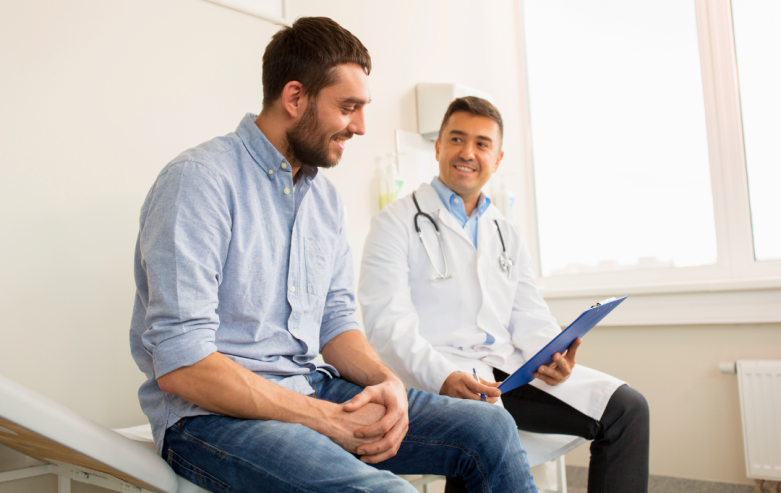
Vascular Near Me: What Happens During a Consultation?
A consultation usually starts with a discussion about your symptoms.
Your provider may ask:
- When did the symptoms begin?
- Do they happen during activity or at rest?
- Does elevation change the symptoms?
- Have you noticed swelling?
- Do you have varicose veins?
- Have you developed sores?
- Do your feet feel cold?
- Do you smoke?
- Do you have diabetes?
- Have you had previous vascular procedures?
- What medications do you take?
Next, the physician may perform a physical examination.
Depending on your symptoms, diagnostic testing may help identify the problem. Tests can include ultrasound or other forms of vascular imaging.
The goal is simple: understand the cause before choosing treatment.
How Interventional Radiology Can Help
Interventional radiology combines medical imaging with minimally invasive techniques.
Instead of making a large surgical incision, an interventional radiologist can often access a blood vessel through a small puncture. The physician then guides a catheter to the treatment area using real-time imaging.
This approach can provide precise treatment while limiting disruption to surrounding tissue.
Prospero describes its interventional radiology services as image-guided, minimally invasive treatments designed to support faster recovery and less discomfort than traditional surgery for appropriate patients.
Of course, every procedure has potential risks. Your physician should explain those risks, along with alternatives and expected benefits, before treatment.
Angioplasty and Vascular Stenting
Angioplasty can help open a narrowed or blocked artery.
During the procedure, a physician guides a catheter to the narrowed area. A small balloon can then expand the vessel.
In some cases, a stent may help keep the artery open.
Vascular stents can help restore blood flow in selected patients with peripheral arterial disease.
Treatment depends on the location and severity of the blockage, your symptoms, and your overall health.
Vein Ablation and Laser Ablation
When damaged veins cause symptoms, vein treatment may provide relief.
Vein ablation uses controlled energy or another technique to close an unhealthy vein. Blood can then redirect through healthier veins.
Laser ablation uses laser energy to treat selected veins. Radiofrequency ablation uses radiofrequency energy instead.
Prospero also offers sclerotherapy for smaller varicose and spider veins. These procedures can provide alternatives to traditional surgical vein removal in appropriate patients.
Other Minimally Invasive Procedures at Prospero
Vascular care represents only part of Prospero’s services.
The clinic also offers several interventional procedures for non-vascular conditions.
Genicular Artery Embolization
Genicular artery embolization, or GAE, can provide a minimally invasive treatment option for selected patients with knee osteoarthritis and chronic knee pain.
Learn more about Genicular Artery Embolization at Prospero.
Hemorrhoidal Artery Embolization
Hemorrhoidal artery embolization, or HAE, targets blood vessels supplying hemorrhoidal tissue. Prospero offers HAE as a minimally invasive option for appropriate patients with symptomatic hemorrhoids.
Read more about Hemorrhoidal Artery Embolization at Prospero.
Kyphoplasty
Kyphoplasty is an image-guided procedure used for selected vertebral compression fractures. The technique can stabilize a fractured vertebra and may help reduce pain.
Explore Kyphoplasty at Prospero.
Laser Ablation
Laser ablation can treat selected problematic veins. The procedure uses controlled laser energy to close the targeted vein.
Learn more about Laser Ablation at Prospero.
Paracentesis
Paracentesis removes excess fluid from the abdomen. Physicians may use it for patients with ascites caused by certain medical conditions.
Explore Paracentesis at Prospero.
Signs You Should Not Ignore
Some vascular symptoms require prompt attention.
Contact a healthcare professional if you notice:
- New or worsening leg pain
- Persistent leg swelling
- A wound that does not heal
- Skin color changes
- Increasing numbness
- Coldness in one foot
- New weakness
- Severe pain at rest
- Recurrent leg cramps while walking
Certain symptoms can signal an emergency.
For example, sudden loss of feeling or movement in a foot, especially when the foot becomes pale, blue, or unusually cold, can indicate acute limb ischemia. This requires immediate medical attention.
Similarly, sudden leg swelling and pain with chest pain or shortness of breath can signal a potentially serious blood clot. Seek emergency medical care when these symptoms occur.
How to Prepare for Your Vascular Appointment
A little preparation can make your consultation more useful.
Bring a list of your current medications and supplements. Include the names and doses when possible.
Also, prepare a short timeline of your symptoms.
For example:
- When symptoms started
- What makes them worse
- What makes them better
- Whether symptoms affect one or both legs
- Previous tests
- Previous procedures
- Previous injuries
- Relevant medical conditions
You may also want to bring recent imaging reports if another healthcare provider ordered them.
Most importantly, tell your physician what you want to accomplish. Perhaps you want to walk farther. Maybe you want to reduce swelling. Or perhaps you want to return to work without discomfort.
Your goals matter.
Questions to Ask Your Vascular Doctor
Before treatment, consider asking:
- What is causing my symptoms?
- Do I have an artery or vein problem?
- What tests do I need?
- What does my imaging show?
- Do I need treatment now?
- What non-surgical options are available?
- Could an outpatient procedure work for me?
- What are the benefits and risks?
- How long could recovery take?
- What happens if I wait?
- Will I need follow-up care?
- What can I do to improve my vascular health?
Clear answers can help you make an informed decision.
Lifestyle Habits That Support Vascular Health
Medical treatment can address a vascular problem, but daily habits also matter.
Your healthcare team may recommend:
- Regular physical activity
- A balanced eating pattern
- Smoking cessation
- Blood pressure management
- Diabetes management
- Healthy cholesterol levels
- Weight management
- Regular medical checkups
- Good foot care
People with PAD should work with their healthcare providers to manage cardiovascular risk factors. NHLBI notes that PAD is associated with a higher risk of problems involving other blood vessels, including heart and brain arteries.
If you have diabetes or PAD, inspect your feet regularly. Small injuries can become serious when circulation or sensation is reduced.
Why Choose Prospero Vascular & Interventional?
Prospero Vascular & Interventional was created to make advanced outpatient interventional care more accessible in the East Bay.
The clinic provides care in Hayward and serves surrounding communities. Its team focuses on image-guided treatments for vascular and non-vascular conditions.
Prospero’s current services include angioplasty, vascular stenting, dialysis access, fistulograms, embolization procedures, vein treatments, radiofrequency ablation, kyphoplasty, fluid drainage procedures, and port placement.
The practice emphasizes:
- Minimally invasive treatment
- Same-day outpatient care
- Personalized treatment plans
- Advanced imaging
- Compassionate communication
- Convenient East Bay access
- Less disruption to daily life
The philosophy is straightforward: help patients move better, feel better, and live better.
Vascular Near Me: Is an Outpatient Clinic Right for You?
The answer depends on your condition.
Some vascular problems need hospital-based treatment or surgery. Others may respond well to outpatient intervention.
An experienced interventional radiologist can help you understand the difference.
During your consultation, ask about all appropriate options. You may discover that a minimally invasive procedure can address your problem without a major operation.
At the same time, do not choose a procedure simply because it sounds less invasive. The best treatment is the one that fits your medical needs.
Frequently Asked Questions
What does a vascular specialist treat?
Vascular specialists evaluate conditions involving blood vessels. These can include peripheral arterial disease, venous insufficiency, varicose veins, vascular blockages, and other circulation problems.
What is interventional radiology?
Interventional radiology is a medical specialty that uses imaging to guide minimally invasive procedures. Physicians can use catheters, needles, and other small instruments to diagnose or treat specific problems.
Is vascular treatment always surgery?
No. Many vascular and interventional procedures use small access points rather than traditional open surgery. Angioplasty, stenting, embolization, vein ablation, and sclerotherapy are examples of minimally invasive treatments.
Can poor circulation cause leg pain?
Yes. Reduced arterial blood flow can cause leg pain, especially during walking. PAD commonly causes cramping or aching that improves with rest.
Can varicose veins cause pain?
Yes. Varicose veins can cause aching, heaviness, swelling, itching, and discomfort. A vascular evaluation can determine whether treatment may help.
How long does an outpatient vascular procedure take?
The duration depends on the specific procedure, the patient’s anatomy, and the condition being treated. Your physician can provide a more accurate estimate during your consultation.
Can vascular procedures help avoid surgery?
For selected patients, minimally invasive treatment may provide an alternative to traditional surgery. However, not every condition or patient qualifies.
Where is Prospero Vascular & Interventional?
Prospero is located at 22268 Foothill Blvd., Suite 3, Hayward, California 94541, and serves patients throughout the East San Francisco Bay Area.
Resources
For reliable information about vascular health and circulation, these independent medical resources can help:
- National Heart, Lung, and Blood Institute — Peripheral Artery Disease — Learn about PAD symptoms, diagnosis, treatment, and risk factors from the National Institutes of Health.
- National Heart, Lung, and Blood Institute — Atherosclerosis — Review information about plaque buildup and how atherosclerosis can affect blood vessels.
- MedlinePlus — Peripheral Arterial Disease — Explore patient-friendly information from the U.S. National Library of Medicine.
- Centers for Disease Control and Prevention — Heart Disease — Learn about cardiovascular risk factors and steps that support heart and vascular health.
- National Institute of Diabetes and Digestive and Kidney Diseases — Diabetes and Peripheral Neuropathy — Find information about diabetes-related complications and ways to protect your health.
Final Thoughts
Finding the right vascular specialist can feel overwhelming. However, knowing what to look for can make the process easier.
Start by paying attention to your symptoms. Leg pain, swelling, numbness, varicose veins, cold feet, and slow-healing wounds can all deserve a closer look.
Next, seek an evaluation from a qualified specialist. A proper diagnosis can help you understand whether your symptoms involve an artery, vein, nerve, or another condition.
Finally, ask about all appropriate treatment options.
For patients in Hayward and across the East San Francisco Bay Area, Prospero Vascular & Interventional offers specialized outpatient care with a focus on minimally invasive, image-guided treatment.
The goal is not simply to treat a blood vessel. It is to help you return to the life you want to live.
Move better. Feel better. Live better.
This article is for educational purposes only. It does not provide a diagnosis or replace advice from a qualified healthcare professional. Treatment options, risks, benefits, and recovery times vary by patient. Seek emergency medical care for sudden or severe symptoms.