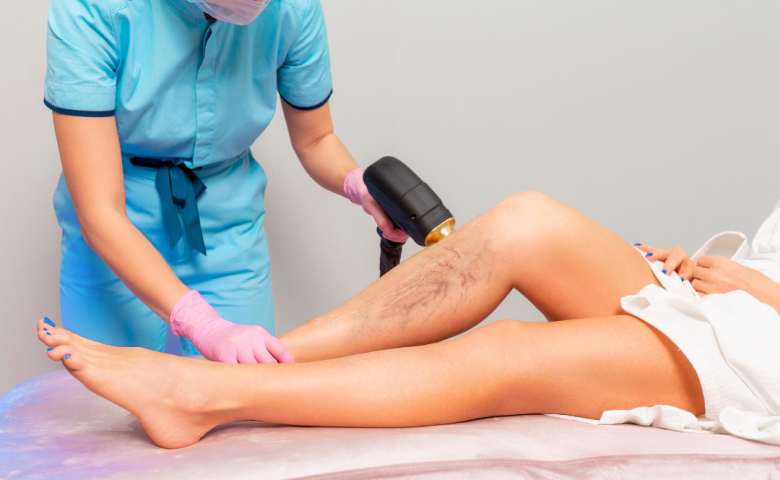

sclerotherapy in san francisco can be an effective minimally invasive option for people who want to treat spider veins, smaller varicose veins, and certain symptoms linked to venous disease.
Visible veins can affect more than appearance. Some people also experience aching, heaviness, swelling, itching, burning, cramping, or discomfort after standing for long periods. Fortunately, modern vein care offers several treatment options.
Prospero Vascular & Interventional provides image-guided, minimally invasive vascular care in a same-day outpatient setting in Hayward. The practice serves patients throughout the East San Francisco Bay Area and focuses on personalized treatment, comfort, and quality of life.
This guide explains how sclerotherapy works, who may benefit, what recovery can look like, and how it compares with other vein treatments.
What Is Sclerotherapy?
Sclerotherapy is a minimally invasive vein treatment that uses an injected solution to close a targeted vein.
During treatment, a healthcare professional places a small needle into the vein. The injected solution irritates the inside of the vessel. The vein then closes, and the body gradually redirects blood through healthier veins. Over time, the treated vein fades.
The procedure commonly treats:
- Spider veins
- Small varicose veins
- Reticular veins
- Selected superficial veins
- Certain symptoms associated with venous disease
Sclerotherapy often works particularly well on smaller veins. Larger or more complex veins may require another approach, such as radiofrequency ablation, laser ablation, or another catheter-based treatment.
Therefore, a proper evaluation should come before treatment.
sclerotherapy in san francisco: Who May Benefit From Vein Treatment?
People choose vein treatment for different reasons.
For some, the main concern involves visible spider veins. For others, aching legs, swelling, heaviness, or discomfort may affect daily life.
Common symptoms of varicose vein disease include:
- Aching legs
- Heavy or tired legs
- Lower-leg swelling
- Burning or throbbing
- Nighttime cramping
- Itching around a vein
- Visible twisted veins
- Blue, purple, or enlarged veins
- Skin changes near affected veins
Varicose veins develop when blood pools inside veins. Normally, tiny valves help blood move upward toward the heart. When those valves weaken or fail to work properly, blood can flow backward and collect in the legs.
As a result, the veins may enlarge and become more visible.
Spider Veins vs. Varicose Veins
Spider veins and varicose veins are related, but they are not the same.
Spider veins are smaller. They often appear as thin red, purple, or blue lines that form web-like patterns close to the skin.
Varicose veins are larger. They may look twisted, bulging, or rope-like.
Both can occur on the legs. However, larger varicose veins may cause more noticeable symptoms.
Your treatment plan should match the size, location, cause, and severity of the affected veins.
Why Do Varicose and Spider Veins Develop?
Several factors can increase the chance of developing vein problems.
Age is one factor. As people get older, vein valves can weaken.
Family history also matters. If close relatives have varicose veins, your risk may increase.
Pregnancy can contribute as well because hormonal changes and increased blood volume place additional pressure on the veins.
Other factors include:
- Long periods of standing
- Long periods of sitting
- Obesity
- Limited physical activity
- Previous blood clots
- Hormonal changes
- Increasing age
- Family history of venous disease
Gravity also plays a major role. The veins in your legs must move blood upward against gravity. When the valves do not work well, blood can pool in the lower legs.
How Does Sclerotherapy Work?
The process is straightforward.
First, your provider evaluates the veins you want to treat. Depending on your symptoms and vein pattern, the provider may use ultrasound to assess blood flow and identify the appropriate veins.
Next, the skin is cleaned.
A very small needle then enters the targeted vein. The provider injects a sclerosing solution into the vessel.
The solution irritates the vein wall. The vein closes, and blood moves through healthier vessels instead.
Finally, your body gradually breaks down the treated vein.
Sclerotherapy typically does not require general anesthesia. The procedure often takes less than an hour, although the exact time depends on the number and size of veins being treated.
What Happens After Treatment?
Recovery is usually straightforward.
Your provider may recommend walking soon after treatment. Movement helps support healthy blood flow.
You may also need compression according to your provider’s instructions. Compression can help with swelling and bruising after treatment.
Some people experience temporary:
- Bruising
- Redness
- Mild swelling
- Tenderness
- Small lumps
- Skin discoloration
- Mild itching
These effects often improve over time. However, you should follow your provider’s specific aftercare instructions.
Results also take time.
Small spider veins may begin to fade within several weeks. Larger veins can take several months to show their full result. Some people need more than one session.
In other words, do not judge the final result immediately after treatment.
How Long Do Results Last?
A successfully treated vein generally does not return.
However, that does not mean new veins cannot develop.
Vein disease involves the body’s vascular system, so untreated veins can develop problems later. Genetics, age, hormones, lifestyle, and other factors can continue to influence vein health.
That is why long-term vein care matters.
Regular movement, healthy weight management, avoiding prolonged sitting or standing when possible, and following your provider’s recommendations can support better circulation.
Is Sclerotherapy Painful?
Most people tolerate the procedure well.
You may feel a small pinch when the needle enters the skin. Some patients notice brief stinging or cramping when the solution enters the vein.
The exact experience varies.
Your provider can explain what you may feel during treatment and what steps can help keep you comfortable.
Because the procedure uses a small needle rather than a surgical incision, recovery tends to be much less disruptive than traditional surgical vein removal for appropriate patients.
Sclerotherapy vs. Laser Ablation
Sclerotherapy and laser ablation both treat unwanted or diseased veins, but they use different techniques.
Sclerotherapy uses an injected solution.
Laser ablation uses laser energy to close a targeted vein.
Providers may use laser-based treatment for certain larger veins or for vessels that may not respond well to injection therapy.
Prospero offers laser-based vein treatment as part of its interventional services. You can learn more through Laser Ablation. Prospero Laser Ablation
The best treatment depends on your anatomy, symptoms, vein size, and ultrasound findings.
Sclerotherapy vs. Radiofrequency Ablation
Radiofrequency ablation, or RFA, uses heat generated by radiofrequency energy to close a diseased vein.
Like laser ablation, RFA uses a catheter-based approach.
Sclerotherapy may work well for smaller superficial veins. RFA may offer a better option for certain larger veins.
A vascular specialist can determine whether one technique or a combination of treatments makes sense.
Importantly, treatment should address the underlying venous problem rather than focus only on visible veins.
What Is Ultrasound-Guided Sclerotherapy?
Ultrasound can help a provider see veins beneath the skin.
This approach can be useful when the target vein is not clearly visible from the surface.
The provider uses ultrasound imaging to guide the needle and monitor the treatment area.
Image guidance can make it easier to target the appropriate vessel while avoiding nearby structures.
This technique is especially useful when treating veins that sit deeper beneath the skin.
Can Vein Treatment Improve Symptoms?
Yes, vein treatment can help selected patients who experience symptoms from varicose veins.
Potential benefits may include improvement in:
- Aching
- Leg heaviness
- Swelling
- Burning
- Cramping
- Itching
- Visible enlarged veins
Mayo Clinic notes that sclerotherapy can improve symptoms associated with varicose veins, including aching, swelling, burning, and nighttime cramping.
However, treatment does not guarantee that every symptom will disappear.
Your provider should first determine whether the symptoms actually come from venous disease.
When Should You Consider a Vein Evaluation?
Consider a medical evaluation if you notice new or worsening vein symptoms.
You may want to speak with a specialist if you experience:
- Persistent leg swelling
- Recurring leg pain
- Heavy or tired legs
- Pain after prolonged standing
- Enlarged or twisted veins
- Skin changes around your ankles
- Repeated vein problems
- Symptoms that interfere with exercise
- Symptoms that affect your quality of life
A consultation can help identify whether you have superficial veins, deeper venous disease, or another condition.
Your provider may recommend a physical examination and duplex ultrasound. Ultrasound is widely used to evaluate blood flow and venous problems.
What Can You Do Before Treatment?
Preparation depends on the treatment you receive.
Your provider may review:
- Current medications
- Blood thinners
- Previous blood clots
- Allergies
- Pregnancy status
- Breastfeeding
- Previous vein procedures
- Existing medical conditions
- Your treatment goals
Certain medications can affect bleeding risk. Therefore, never stop a prescription medication on your own.
Instead, follow the instructions provided by your healthcare team.
Your provider may also recommend specific clothing, skincare, or activity instructions before your appointment.
What Should You Expect From an Outpatient Vein Clinic?
Prospero Vascular & Interventional operates as a same-day outpatient clinic in Hayward.
The practice serves patients throughout the East San Francisco Bay Area and provides minimally invasive vascular and interventional radiology care.
The outpatient model focuses on convenience and comfort.
For appropriate procedures, patients may receive treatment without an overnight hospital stay.
Prospero’s approach emphasizes:
- Personalized care
- Image-guided procedures
- Minimally invasive treatment
- Comfortable outpatient care
- Clear communication
- Same-day procedures when appropriate
- A focus on recovery and quality of life
The practice was founded by Dr. David Soto, a board-certified and fellowship-trained vascular and interventional radiologist with more than 15 years of experience in hospital and outpatient settings.
Dr. Soto established Prospero to help fill a regional need for ambulatory interventional care. The Hayward location opened in early 2024.
Sclerotherapy Is Only One Part of Vein Care
Vein disease does not look the same in every patient.
Some people have small spider veins. Others have larger varicose veins, chronic venous symptoms, or underlying venous reflux.
That difference matters.
A specialist may recommend sclerotherapy, laser ablation, radiofrequency ablation, compression therapy, or another treatment.
Prospero offers several minimally invasive vascular procedures. Its services also extend beyond vein care.
For example, the practice provides vascular stenting for selected arterial and vascular conditions. Learn more about Vascular Stenting. Prospero Vascular Stenting
This broad interventional focus allows the practice to evaluate and treat many vascular conditions in an outpatient environment.
Other Interventional Procedures at Prospero
Prospero treats both vascular and non-vascular conditions.
Its procedures include:
- Angioplasty
- Vascular stenting
- Dialysis access procedures
- Fistulograms
- Sclerotherapy
- Vein ablation
- Laser ablation
- Radiofrequency ablation
- Genicular Artery Embolization
- Hemorrhoidal Artery Embolization
- Prostate Artery Embolization
- Uterine Artery Embolization
- Uterine Fibroid Embolization
- Kyphoplasty
- Paracentesis
- Thoracentesis
- Port-a-cath placement
Patients can learn more about Thoracentesis through Prospero’s procedure information. Prospero Thoracentesis
The clinic also provides Uterine Artery Embolization for appropriate patients. Prospero Uterine Artery Embolization
For patients with uterine fibroids, the practice also offers Uterine Fibroid Embolization. Prospero Uterine Fibroid Embolization
These procedures demonstrate how interventional radiology can address a wide range of medical concerns with targeted, image-guided techniques.
Who Should Avoid or Delay Sclerotherapy?
Not everyone is an ideal candidate.
Your provider may recommend delaying treatment during pregnancy or breastfeeding. Mayo Clinic also notes that certain medications, including blood thinners, aspirin, ibuprofen, and naproxen, can affect bleeding risk and should be discussed before treatment.
A history of blood clots does not automatically rule out treatment, but it requires individual evaluation.
Your physician will consider your medical history, current medications, vein anatomy, symptoms, and treatment goals.
That personalized review helps determine whether sclerotherapy is appropriate.
What Are the Risks?
Every medical procedure carries potential risks.
Possible side effects of sclerotherapy include:
- Bruising
- Redness
- Swelling
- Temporary skin discoloration
- Small areas of hardness or lumpiness
- New tiny blood vessels near the treated area
- Inflammation
- Allergic reaction
- Infection
- Blood clots
Serious complications are uncommon, but they can occur.
Your provider should explain the potential benefits and risks before treatment.
If you experience severe pain, significant swelling, chest pain, shortness of breath, or other concerning symptoms after a procedure, seek prompt medical attention.
How Can You Support Healthy Veins?
Treatment can address existing vein problems, but healthy habits still matter.
Try to move throughout the day. Walking activates the calf muscles, which help push blood upward through the legs.
If your provider recommends it, compression stockings may also help manage symptoms. Compression can support blood flow and reduce blood pooling in the legs.
You can also:
- Avoid sitting for very long periods
- Avoid standing in one position for extended periods
- Take regular walking breaks
- Elevate your legs when resting
- Maintain a healthy weight
- Stay physically active
- Follow your provider’s treatment plan
Small changes can make a meaningful difference over time.
When Is Leg Swelling More Concerning?
Not every swollen leg comes from varicose veins.
Sudden swelling, especially when it affects one leg, can have several causes. A blood clot in a deep vein, called deep vein thrombosis or DVT, can cause swelling and pain.
If you develop sudden leg swelling, significant pain, warmth, redness, chest pain, or shortness of breath, seek urgent medical evaluation.
Do not assume that a new or sudden symptom is simply another varicose vein.
A proper diagnosis matters.
Questions to Ask at Your Vein Consultation
A good consultation should give you clear information.
Consider asking:
- What type of vein problem do I have?
- Do I need an ultrasound?
- Is the problem cosmetic, medical, or both?
- Would sclerotherapy work for my veins?
- Would laser ablation be better?
- Would radiofrequency ablation be more appropriate?
- How many treatments might I need?
- What should I expect during recovery?
- Can my symptoms return?
- What can I do to protect my vein health?
- What are the risks of my recommended treatment?
Bring a current medication list to your appointment.
Also, tell your provider about previous blood clots, prior vein procedures, pregnancy, breastfeeding, and other relevant health conditions.
Why Choose Prospero Vascular & Interventional?
Prospero combines vascular expertise with interventional radiology in a same-day outpatient environment.
The practice’s patient-centered philosophy focuses on more than treating a visible vein.
The team aims to understand the patient’s symptoms, goals, and overall vascular health.
That approach can help patients understand why a vein problem developed and which treatment may fit their needs.
Dr. David Soto’s background includes more than 15 years of experience across hospital and outpatient settings. His fellowship training and board certification support the practice’s focus on specialized vascular and interventional care.
Most importantly, Prospero aims to create a warm, comfortable environment where patients can make informed decisions about their care.
A Modern Approach to Vein Treatment
Vein treatment has changed significantly over time.
Patients now have access to minimally invasive options that can treat selected veins without traditional vein-stripping surgery.
Sclerotherapy remains one of the established options for smaller varicose and spider veins. Laser and radiofrequency techniques can provide additional choices for certain larger or deeper veins.
The best treatment is not necessarily the newest treatment.
Instead, the best treatment is the one that fits your anatomy, symptoms, goals, and overall health.
That is why an evaluation comes first.
Take the Next Step Toward Better Vein Health
Visible veins may seem like a cosmetic concern, but they can sometimes signal an underlying circulation problem.
Aching, swelling, heaviness, itching, and cramping can also affect your quality of life.
Fortunately, you have options.
A consultation with a vascular and interventional radiology specialist can help you understand what is causing your symptoms and which treatments may be appropriate.
Prospero Vascular & Interventional offers minimally invasive vascular care in Hayward for patients throughout the East San Francisco Bay Area.
The practice’s philosophy is simple:
Move better. Feel better. Live better.
If unwanted or symptomatic veins are affecting your confidence, comfort, or daily activities, consider discussing your options with a qualified vascular specialist.
Resources
For additional, trustworthy information about vein disease and sclerotherapy, these non-competitive medical resources can help:
- Mayo Clinic — Sclerotherapy: Learn how sclerotherapy works, why doctors use it, expected results, preparation, and potential side effects. Mayo Clinic: Sclerotherapy
- Cleveland Clinic — Sclerotherapy: Review the procedure, recovery, potential benefits, risks, and treatment expectations. Cleveland Clinic: Sclerotherapy
- Mayo Clinic — Varicose Veins: Explore symptoms, causes, risk factors, and common treatment options for varicose veins. Mayo Clinic: Varicose Veins
- Mayo Clinic — Varicose Vein Diagnosis and Treatment: Learn about compression, sclerotherapy, laser treatment, radiofrequency treatment, and other options. Mayo Clinic: Varicose Vein Diagnosis and Treatment
- Cleveland Clinic — Venous Disease Treatments: Review conservative care, compression, lifestyle changes, sclerotherapy, and catheter-based treatments. Cleveland Clinic: Venous Disease Treatments
Final Thoughts
Spider veins and varicose veins are common, but you do not have to live with ongoing discomfort or uncertainty.
The first step involves understanding the cause.
A vascular evaluation can identify the type of vein problem and help determine whether sclerotherapy, laser ablation, radiofrequency ablation, compression, or another treatment makes sense.
Prospero Vascular & Interventional offers specialized, minimally invasive care in a comfortable outpatient setting in Hayward.
With personalized treatment and appropriate follow-up, patients can take meaningful steps toward healthier legs, better comfort, and improved quality of life.
Move better. Feel better. Live better.