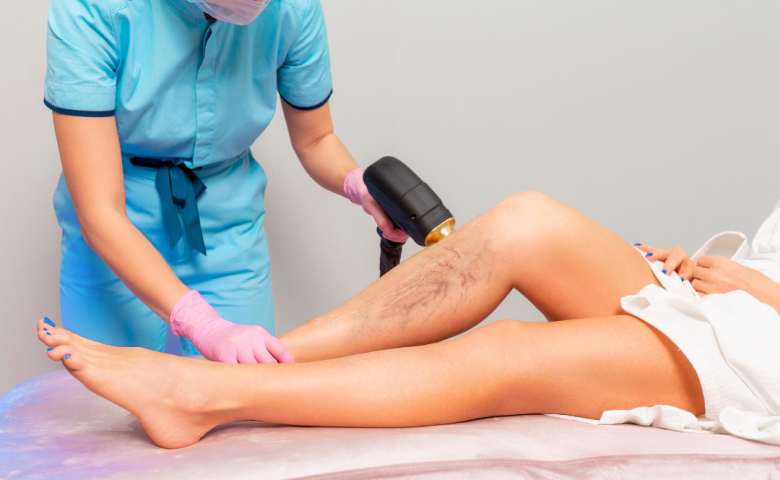


Pad treatment can help people with peripheral artery disease manage symptoms, improve circulation, and protect their long-term health.
If walking causes leg pain, cramping, fatigue, or weakness, do not assume it is simply part of aging. Peripheral artery disease, also called PAD, can reduce blood flow to the legs and feet. In some cases, it can also increase the risk of serious cardiovascular problems. For people in Hayward and the East San Francisco Bay Area, Prospero Vascular & Interventional provides minimally invasive vascular care in a same-day outpatient setting. The practice focuses on image-guided procedures that may help appropriate patients improve blood flow without traditional open surgery.
What Is Peripheral Artery Disease?
Peripheral artery disease develops when arteries outside the heart and brain become narrowed or blocked. The most common form affects the legs and feet.
Atherosclerosis is the most common cause. Over time, fatty deposits and cholesterol can build up inside artery walls. This plaque can narrow the space available for blood to flow.
When muscles need more oxygen during activity, restricted blood flow may cause symptoms. As a result, a person may feel pain or cramping while walking that improves after resting. This symptom is called intermittent claudication.
However, PAD does not always cause obvious symptoms. Some people may mistake circulation problems for arthritis, nerve pain, muscle strain, or normal aging.
That is why awareness matters.
pad treatment: Recognizing the Warning Signs
Knowing the common symptoms can help you seek care sooner.
Watch for:
- Leg pain while walking
- Calf cramping during activity
- Thigh or hip discomfort
- Leg fatigue or weakness
- Numbness or tingling
- Cold feet
- Changes in skin color
- Slow-healing cuts or sores
- Reduced walking ability
- Foot or leg pain that continues at rest
Symptoms can vary from person to person. Furthermore, some people with PAD have no symptoms at all.
If you notice recurring symptoms, talk with a healthcare professional. Early evaluation can help identify circulation problems and guide the next step.
What Causes Poor Circulation in the Legs?
Several factors can increase the risk of peripheral artery disease.
Smoking stands out as a major risk factor. Diabetes also increases risk. Other factors include high cholesterol, high blood pressure, chronic kidney disease, age, and a family history of atherosclerosis.
These factors can contribute to plaque buildup inside the arteries.
Fortunately, some risk factors can change.
For example, quitting tobacco, staying physically active, eating a heart-healthy diet, and managing blood pressure, cholesterol, and blood sugar can support vascular health. Your healthcare provider can help create a plan that fits your needs.
How Is PAD Diagnosed?
A proper diagnosis starts with your symptoms and medical history.
Your healthcare provider may examine your legs and feet and check your pulses. The ankle-brachial index, or ABI, is another common test. It compares blood pressure in the ankle with blood pressure in the arm. The test is painless and can help identify reduced blood flow.
Additional testing may follow when needed.
For example, vascular ultrasound can help examine blood flow. Other imaging studies can show where an artery has narrowed or become blocked.
The goal is to understand the location and severity of the problem.
That information helps your care team choose the most appropriate approach.
What Are the Goals of Treatment?
Treatment does more than reduce leg pain.
A comprehensive care plan may aim to:
- Improve blood flow
- Reduce walking-related pain
- Increase mobility
- Support wound healing
- Lower cardiovascular risk
- Prevent disease progression
- Protect the legs and feet
- Improve quality of life
The right approach depends on the severity of PAD and your overall health. Lifestyle changes, exercise, medication, and procedures can all play a role.
Lifestyle Changes Can Make a Difference
Medical procedures are not the only part of vascular care.
Regular physical activity can help people with PAD improve walking ability and manage cardiovascular risk factors. A healthcare professional can recommend an exercise program based on your health and symptoms.
Smoking cessation also matters.
Because tobacco use can worsen vascular disease, quitting can lower the risk of complications. Your healthcare provider can recommend tools and programs that make quitting more manageable.
Managing diabetes, cholesterol, and blood pressure also supports long-term vascular health.
In other words, a procedure may address a specific blockage, but long-term health habits remain important.
When Medication May Be Part of Care
Your physician may recommend medication based on your individual needs.
For example, antiplatelet medicines may help reduce the risk of blood clots. Statins can lower cholesterol and reduce cardiovascular risk. Other medications may help manage blood pressure or specific PAD symptoms.
Never start, stop, or change prescription medication without talking with your healthcare provider.
A complete treatment plan often combines medical management with lifestyle changes and, when appropriate, a vascular procedure.
Minimally Invasive Options for Artery Blockages
Some people need more than lifestyle changes and medication.
When an artery remains significantly narrowed or blocked, a physician may recommend an endovascular procedure. These techniques use a catheter to reach the affected blood vessel.
Angioplasty is one example.
During angioplasty, a physician guides a small balloon to the narrowed area. The balloon expands to improve the opening inside the artery. In some cases, the physician may place a stent to help keep the artery open.
These procedures can offer a less invasive alternative to traditional open surgery for appropriate patients.
Prospero Vascular & Interventional specializes in minimally invasive vascular procedures, including angioplasty and vascular stenting.
Why Choose an Outpatient Vascular Clinic?
Traditional hospital care can sometimes involve longer stays and more complex logistics.
An outpatient interventional radiology clinic offers another setting for appropriate procedures.
Prospero Vascular & Interventional operates as a same-day outpatient clinic in Hayward. The practice uses image-guided techniques designed to provide targeted care while minimizing disruption to surrounding tissue.
For eligible patients, outpatient treatment may mean:
- Same-day care
- A comfortable clinical environment
- Image-guided procedures
- Less invasive access
- Personalized treatment
- Convenient recovery
- Reduced hospital-related disruption
Every procedure remains different, however. Your physician must determine whether outpatient treatment is safe and appropriate for you.
Understanding Angioplasty and Vascular Stenting
Angioplasty and stenting can help improve blood flow through narrowed arteries.
During a procedure, the physician uses imaging to guide a catheter through the vascular system. The catheter travels toward the area that needs treatment.
Next, the physician uses specialized equipment to improve the vessel opening.
If a stent is appropriate, the small mesh tube helps support the artery.
The specific technique depends on the location, length, and severity of the blockage.
The procedure also requires careful planning. Your physician will review your medical history, medications, imaging, and overall health before recommending treatment.
Vascular Care Goes Beyond PAD
Prospero’s expertise extends beyond peripheral artery disease.
The clinic provides a broad range of vascular and interventional radiology services. These services can address several conditions through minimally invasive techniques.
Treatment options include:
- Angioplasty
- Vascular stenting
- Dialysis access procedures
- Fistulogram
- Vein ablation
- Laser ablation
- Sclerotherapy
- Radiofrequency ablation
- Peripheral neuropathy care
Prospero also treats several non-vascular conditions.
These include chronic knee pain, chronic shoulder pain, benign prostatic hyperplasia, hemorrhoids, and uterine fibroids.
This broad focus allows patients to explore different interventional options within one specialized outpatient practice.
Vein Problems and Vascular Health
Not every vascular problem comes from an arterial blockage.
Venous disease can also affect the legs. Some people experience swelling, heaviness, aching, or visible veins.
Prospero provides several minimally invasive vein procedures.
Patients seeking care outside Hayward can also explore Prospero’s regional information, including vein care in Lafayette, California, vein care in Oakland, California, and vein care in Richmond, California.
Treatment depends on the type of vein disease and the patient’s symptoms.
Peripheral Neuropathy Can Look Similar
Foot pain does not always come from poor circulation.
Peripheral neuropathy can cause burning, tingling, numbness, or unusual sensations. Diabetes is one common cause.
Because neuropathy and PAD can produce overlapping symptoms, proper evaluation matters.
A vascular specialist can assess circulation and help determine whether reduced blood flow may contribute to your symptoms.
That distinction can guide the next step in care.
Other Minimally Invasive Treatments at Prospero
Prospero’s interventional radiology services cover more than vascular disease.
The practice also offers targeted procedures such as:
- Genicular Artery Embolization for appropriate patients with chronic knee pain
- Hemorrhoidal Artery Embolization
- Prostate Artery Embolization for appropriate patients with BPH
- Uterine Artery Embolization
- Uterine Fibroid Embolization
- Kyphoplasty
- Paracentesis
- Thoracentesis
- Port-a-cath placement
- Radiofrequency Ablation
These procedures use imaging to guide treatment.
Consequently, the physician can target a specific area while limiting unnecessary disruption to nearby tissue.
Uterine Fibroids and Interventional Care
Prospero also treats uterine fibroids through minimally invasive embolization techniques.
Fibroids are common non-cancerous growths in the uterus. Depending on their size and location, they can cause heavy menstrual bleeding, pelvic pressure, pain, and other symptoms.
Uterine fibroid embolization can block blood flow to fibroid tissue. Over time, the treated fibroids may shrink.
Women researching their options can read Prospero’s guide to uterine fibroid treatment and choosing the best path forward.
Treatment decisions should account for symptoms, medical history, reproductive goals, and other individual factors.
Why Prospero Vascular & Interventional?
Prospero Vascular & Interventional was founded by Dr. David Soto, a board-certified and fellowship-trained vascular and interventional radiologist.
Dr. Soto has more than 15 years of experience in hospital and outpatient settings.
He established Prospero to help address the need for accessible ambulatory interventional care in the East San Francisco Bay Area.
The Hayward location opened in early 2024.
From the beginning, the practice has focused on a patient-centered experience.
That means more than offering advanced technology. It means listening to patients, explaining treatment choices clearly, and creating a comfortable environment for care.
The practice’s philosophy centers on a simple goal:
Move better. Feel better. Live better.
What Should You Ask Your Vascular Specialist?
Preparing for an appointment can make the conversation easier.
Consider asking:
- What could be causing my symptoms?
- Do I need vascular testing?
- Could PAD explain my leg pain?
- What does my circulation look like?
- What lifestyle changes should I make?
- Do I need medication?
- Would an endovascular procedure help?
- What are the benefits and risks?
- How long might recovery take?
- What follow-up care will I need?
Write down your questions before your appointment.
Also, bring a list of your medications and supplements. If you have previous imaging or medical records, ask whether the clinic needs them before your visit.
When Should You Seek Urgent Care?
Most ongoing leg symptoms can start with a scheduled medical evaluation.
However, sudden changes require immediate attention.
A sudden loss of feeling or movement in the foot, especially when the foot becomes unusually pale, blue, or cold, can signal acute limb ischemia. This is a medical emergency and requires immediate medical care.
Do not wait for a routine vascular appointment if you develop sudden or severe symptoms.
For less urgent symptoms, contact your healthcare provider and arrange an evaluation.
Finding the Right Vascular Care in the East Bay
Searching for a vascular specialist can feel overwhelming.
Start with experience, services, location, and treatment options.
Then consider whether the clinic offers minimally invasive procedures that match your condition.
Prospero Vascular & Interventional provides vascular and interventional radiology services in Hayward for patients throughout the East Bay. Its outpatient model focuses on personalized care and image-guided treatment.
Whether you need evaluation for circulation problems or want to learn about a minimally invasive procedure, a consultation can help clarify your choices.
Take the Next Step
Peripheral artery disease can affect mobility, comfort, and quality of life. Fortunately, treatment does not follow one single path.
Lifestyle changes may help. Medication may play a role. Exercise can improve walking ability. For selected patients, minimally invasive procedures can help restore blood flow through narrowed arteries.
The key is finding the right approach for your individual condition.
Prospero Vascular & Interventional combines vascular expertise, advanced image-guided procedures, and compassionate outpatient care in Hayward.
If you have recurring leg pain, cramping, numbness, cold feet, or wounds that heal slowly, talk with a healthcare professional. A proper evaluation can help determine whether PAD or another condition may be contributing to your symptoms.
With the right diagnosis and personalized care plan, you can take meaningful steps toward better mobility and better vascular health.
Resources
For additional, trustworthy information about peripheral artery disease and cardiovascular health, explore these non-competitive resources:
- National Heart, Lung, and Blood Institute — Peripheral Artery Disease Treatment — Learn about lifestyle changes, exercise, medication, angioplasty, stenting, and other treatment options.
- American Heart Association — What Is Peripheral Artery Disease? — Review PAD causes, symptoms, complications, and cardiovascular connections. www.heart.org
- American Heart Association — How Is PAD Diagnosed? — Learn how physicians evaluate PAD, including the ankle-brachial index.
- American Heart Association — How Is PAD Treated? — Explore lifestyle, exercise, medication, and procedural approaches.
- NHLBI — Living With Peripheral Artery Disease — Find information about ongoing management, warning signs, and reducing complications.
Final Thoughts
Good vascular care starts with understanding your symptoms.
If leg pain limits your walking or you notice changes in your feet, do not ignore them. PAD can progress, and it can also signal a higher risk of cardiovascular disease.
Prospero Vascular & Interventional offers a patient-focused approach to vascular and interventional radiology care. Through minimally invasive, image-guided procedures, the practice helps appropriate patients explore options that may improve circulation and quality of life.
For patients in Hayward and throughout the East San Francisco Bay Area, the next step may simply be a conversation with a qualified vascular specialist.
Better circulation can mean better mobility, greater comfort, and more freedom to live your life.