



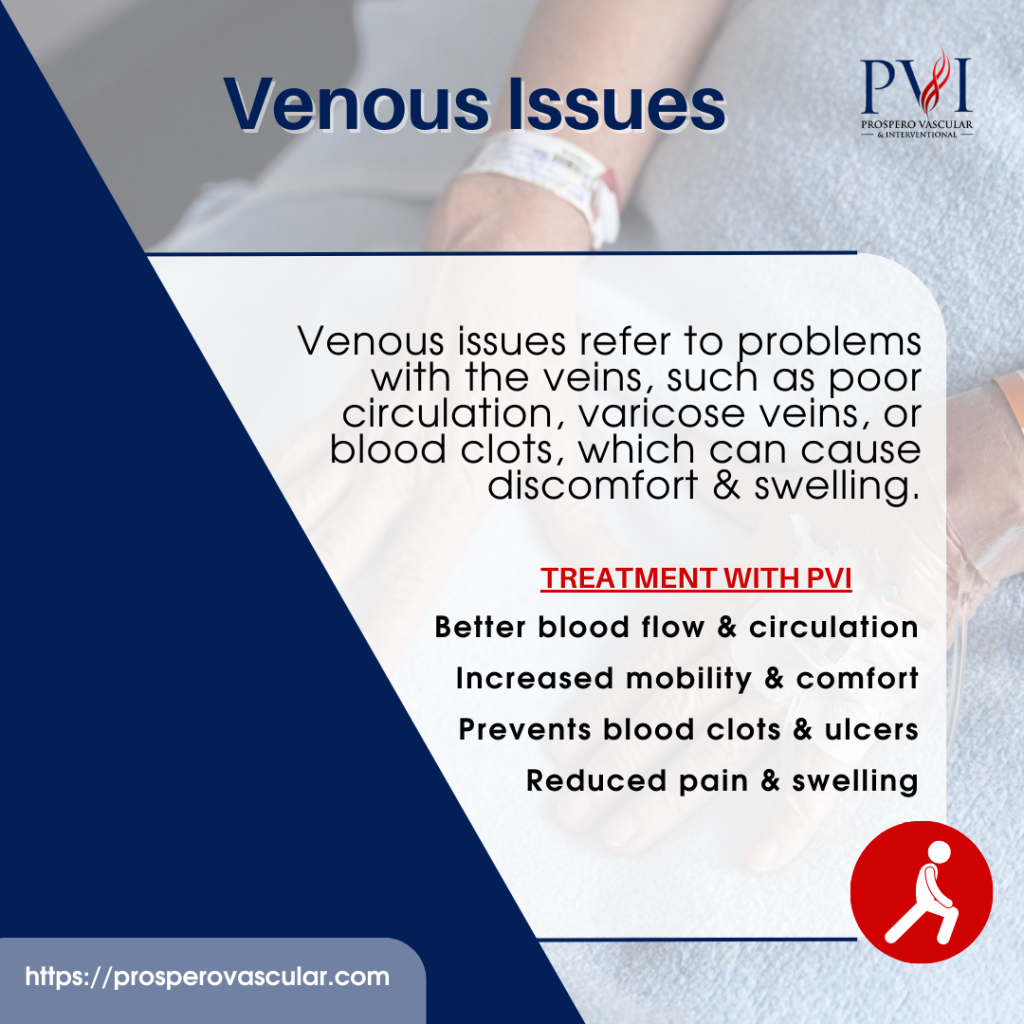
Venous diseases refer to conditions that affect the veins and blood circulation, leading to poor blood flow, vein damage, and complications such as swelling, pain, or blood clots. The most common venous diseases include varicose veins, chronic venous insufficiency (CVI), deep vein thrombosis (DVT), and venous ulcers.
These conditions occur when vein valves weaken or fail, causing blood to pool in the lower extremities rather than returning efficiently to the heart. While some cases are mild, others may lead to serious complications if left untreated. Treatments range from lifestyle changes and compression therapy to minimally invasive procedures like endovenous ablation and embolization.
We offer comprehensive Venous Disease treatment options. Call Today to schedule a consultation!
Causes & Risk Factors
Venous diseases develop when the veins become damaged or struggle to return blood to the heart efficiently. Common causes include:
What Causes Venous Diseases?
- Weak or damaged vein valves – Leads to blood pooling in the veins.
- Prolonged standing or sitting – Reduces circulation and increases vein pressure.
- Blood clot formation (DVT) – Blocks normal vein function.
- Genetic predisposition – A family history increases the likelihood of venous disease.
- Obesity – Extra weight puts pressure on the veins.
- Hormonal changes – Pregnancy, birth control, or hormone therapy can weaken veins.
- Aging – Veins naturally lose elasticity over time.
Risk Factors for Venous Diseases:
- Age over 50 – Aging weakens vein function.
- Pregnancy – Increased blood volume and hormone changes can stress veins.
- Sedentary Lifestyle – Lack of movement slows circulation.
- Smoking – Damages blood vessels and increases clotting risk.
- History of Blood Clots or Vein Issues – Previous DVT or varicose veins raise the risk.
Symptoms of Venous Diseases
If symptoms worsen over time or are accompanied by sudden leg pain and swelling, seek immediate medical attention for possible deep vein thrombosis (DVT). Symptoms vary based on the type and severity of the venous condition but often include:
- Leg pain, aching, or heaviness – Especially after long periods of standing or sitting.
- Swelling in the lower legs or ankles – Due to fluid buildup.
- Varicose or spider veins – Bulging, twisted, or visible veins under the skin.
- Skin discoloration or thickening – Common in chronic venous insufficiency (CVI).
- Leg cramps or restless legs – Can worsen at night.
- Itching or burning around the veins – A sign of vein inflammation.
- Venous ulcers or slow-healing wounds – Occur in severe cases, particularly near the ankles.
Diagnosis of Venous Diseases
A proper diagnosis helps determine the extent of vein damage and guides the best treatment approach.
- Physical Examination – Evaluates visible veins, swelling, and skin changes.
- Duplex Ultrasound – Identifies vein reflux (backward blood flow) and clots.
- Venography – Uses contrast dye and X-ray imaging to assess vein structure.
- D-Dimer Blood Test – Helps detect deep vein thrombosis (DVT).
- MRI or CT Venography – Provides detailed vein imaging for complex cases.
Living With Venous Diseases
Chronic venous disease can be managed effectively with lifestyle adjustments and medical treatments. With proper care and medical support, patients can reduce symptoms and prevent progression of venous diseases.
Daily Management Tips:
- Wear Compression Stockings Daily – Helps prevent swelling and clot formation.
- Elevate Your Legs When Resting – Encourages blood return to the heart.
- Stay Active – Walking and stretching keep veins healthy.
- Avoid Prolonged Sitting or Standing – Take breaks to move around.
- Monitor for Skin Changes or New Symptoms – Early detection prevents complications.
Treatment Options for Venous Diseases
Treatment depends on the severity of the condition and whether it affects daily life. For deep vein thrombosis (DVT), treatments may include anticoagulant medications, clot-dissolving drugs, or catheter-based thrombectomy to remove clots.
- Lifestyle & Non-Invasive Treatments:
Compression Therapy – Wearing compression stockings improves circulation and reduces swelling.
Leg Elevation – Helps reduce pressure and fluid buildup.
Exercise & Movement – Walking and stretching promote blood flow.
Weight Management – Reducing excess weight eases vein pressure.
Dietary Changes – Increasing fiber, staying hydrated, and reducing salt intake can help. - Minimally Invasive Procedures:
Sclerotherapy – Injects a solution into varicose veins, causing them to collapse and fade.
Endovenous Laser Ablation (EVLA) – Uses laser energy to close off malfunctioning veins.
Radiofrequency Ablation (RFA) – Similar to EVLA, but uses heat waves to seal damaged veins.
VenaSeal™ Treatment – Uses medical adhesive to close diseased veins.
Phlebectomy – Removes varicose veins through tiny incisions.
Angioplasty & Stenting – Opens narrowed or blocked veins in severe venous conditions.
Interventional Radiology for Venous Diseases
IR procedures provide non-surgical, highly effective treatments for venous diseases. These image-guided procedures offer lasting relief, helping patients avoid more invasive surgeries.
Venous Embolization
- Blocks abnormal blood flow in varicose veins or pelvic congestion syndrome (PCS).
- Uses tiny particles or coils to redirect blood to healthier veins.
Endovenous Laser Therapy (EVLT)
- A minimally invasive laser treatment to close faulty veins.
- Fast recovery and high success rate compared to vein stripping.
Thrombectomy for Deep Vein Thrombosis (DVT)
- Removes dangerous blood clots without open surgery.
- Prevents complications like pulmonary embolism.
FAQ: Common Venous Diseases Questions
What is the main cause of venous diseases?
Venous diseases are primarily caused by weak or damaged vein valves that lead to poor circulation and blood pooling in the legs.
Can venous diseases be reversed?
While some damage is permanent, early treatment and lifestyle changes can improve symptoms and prevent progression.PH typically begins after age 50 and becomes more common with age.
Are varicose veins dangerous?
Most varicose veins are harmless, but in some cases, they can cause pain, swelling, skin ulcers, or blood clots, requiring medical attention.
What is the best treatment for venous insufficiency?
Minimally invasive options like endovenous ablation, sclerotherapy, or venous embolization offer effective symptom relief without major surgery.
Can venous diseases lead to serious complications?
Yes. If left untreated, venous diseases can lead to DVT (blood clots), venous ulcers, or chronic swelling and pain. Prompt treatment is essential.
Why Choose Prospero?
Exceptional patient-centered care, innovative treatments, and a focus on quick recovery without surgery.
- Experienced Interventional Specialists: Our skilled team offers advanced, image-guided procedures for vascular and non-vascular conditions.
- Minimally Invasive Treatments: We focus on outpatient solutions that reduce recovery time, often allowing for same or next-day recovery.
- Comprehensive & Compassionate Care: We take a patient-centered approach, ensuring comfort, safety, and optimal outcomes.
- Flexible & Same-Day Appointments: Prioritize your health without long wait times.
Latest Articles about Venous Diseases

Venous Issues
If you live in Hayward, California, or the surrounding East Bay area, you may be familiar with the discomfort, pain,…
Read more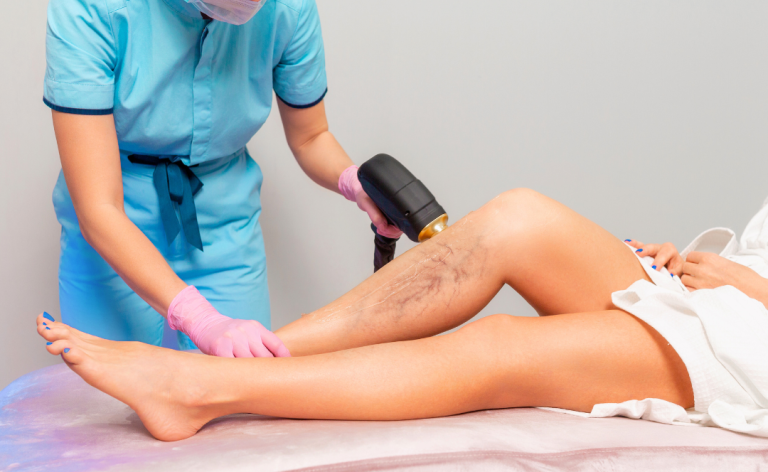
Does Venous Deficiency Have Your Veins Going on Strike?
When Your Veins Start Complaining Picture this: You’re cruising through your day, walking around, and suddenly—BAM! Your legs feel heavy,…
Read more