

Chronic hemroids can disrupt daily life and cause ongoing discomfort. Many people struggle with itching, swelling, bleeding, and pain that return again and again. Fortunately, modern interventional radiology treatments now offer safe, effective relief without traditional surgery.
At Prospero Vascular & Interventional, patients receive advanced outpatient care that focuses on minimally invasive procedures and faster recovery. The clinic serves communities across the East Bay and is led by David Soto, a board-certified specialist with extensive experience in image-guided treatments.
Located in Hayward, the practice focuses on helping patients improve comfort, restore confidence, and avoid major surgery whenever possible.
Understanding chronic hemroids and why symptoms persist
Hemorrhoids develop when veins in the lower rectum or anus become swollen and inflamed. This condition often occurs when pressure increases in the pelvic region.
Common causes include:
- Chronic constipation
- Straining during bowel movements
- Pregnancy
- Sitting for long periods
- Obesity
- Aging veins
Over time, the swollen veins may enlarge and become more painful. Many people experience repeated flare-ups that affect work, travel, and daily routines.
Typical symptoms include:
- Rectal bleeding during bowel movements
- Anal itching and irritation
- Pain or discomfort while sitting
- Swelling around the anus
- A sensitive lump near the anal opening
Some patients also experience related digestive concerns such as abdominal pain treatment options when pressure in the lower digestive system increases.
Understanding the cause of hemorrhoids is the first step toward lasting relief.
chronic hemroids treatment options without traditional surgery
Many patients assume surgery is the only solution for persistent hemorrhoids. However, minimally invasive procedures now offer a powerful alternative.
One of the most advanced options is Hemorrhoidal Artery Embolization (HAE).
This innovative treatment uses interventional radiology to target the blood vessels feeding hemorrhoids. By reducing excess blood flow, the procedure shrinks swollen veins and relieves symptoms.
Doctors perform HAE using real-time imaging guidance. A small catheter enters through a tiny incision in the wrist or groin. The physician then blocks specific arteries that supply the hemorrhoids.
As a result, symptoms improve gradually while healthy tissue remains intact.
Key benefits include:
- No large surgical incision
- Minimal discomfort
- Same-day outpatient procedure
- Faster recovery time
- Lower risk of complications
Patients usually return home within hours and resume normal activities soon afterward.
Individuals researching treatment options often start with chronic hemorrhoid treatment information to understand whether embolization could help.
chronic hemroids and the role of vascular health
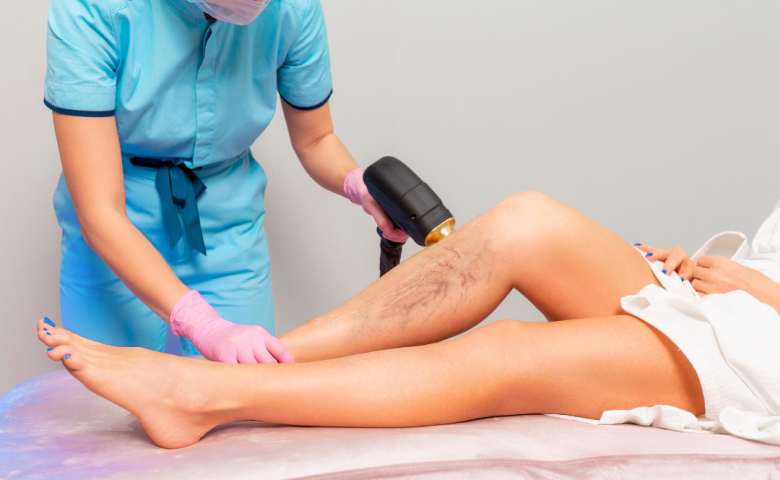
Hemorrhoids are actually a vascular condition. They involve swollen veins similar to those found in varicose vein disease.
Poor circulation and vein pressure contribute to many symptoms people experience. Because of this connection, vascular specialists often treat hemorrhoids using the same minimally invasive principles applied to other vein conditions.
Patients with circulation concerns may also benefit from learning about venous disease and varicose vein treatments, which share similar causes and treatment methods.
Improving vascular health throughout the body often reduces inflammation and promotes healing.
Why interventional radiology is transforming hemorrhoid care
Traditional hemorrhoid surgery can require significant recovery time. Some procedures also cause discomfort or require time away from work.
Interventional radiology offers a different approach.
Specialists use advanced imaging tools such as fluoroscopy to guide tiny instruments directly to the problem area. This precision allows physicians to treat the underlying cause while protecting surrounding tissue.
As a result, patients experience several advantages:
- Smaller incisions
- Less pain after treatment
- Reduced bleeding risk
- Faster return to normal activities
- Same-day discharge from the clinic
These benefits make outpatient procedures especially appealing for patients seeking relief without a hospital stay.
Conditions often treated alongside hemorrhoids
Many patients who visit Prospero Vascular & Interventional also experience other chronic conditions affecting circulation, nerves, or joint health.
The clinic treats both vascular and non-vascular concerns through advanced interventional procedures.
Common conditions include:
- Peripheral artery disease
- Peripheral neuropathy
- Chronic knee pain
- Chronic shoulder pain
- Benign prostatic hyperplasia (BPH)
- Uterine fibroids
For example, patients experiencing nerve discomfort in the legs may benefit from peripheral neuropathy treatment, which can improve circulation and nerve function.
Others dealing with musculoskeletal pain sometimes explore chronic shoulder pain treatment options available through minimally invasive procedures.
Addressing multiple health concerns in one specialized clinic helps patients achieve better long-term outcomes.
Advanced minimally invasive procedures available at Prospero
Prospero Vascular & Interventional offers a wide range of image-guided treatments that target both vascular and structural conditions.
Common procedures include:
- Angioplasty to improve blood flow
- Vascular stenting for narrowed arteries
- Dialysis access procedures
- Fistulogram imaging
- Sclerotherapy for vein disorders
- Vein ablation and laser ablation
- Radiofrequency ablation (RFA)
- Genicular artery embolization for knee pain
- Prostate artery embolization (PAE)
- Uterine fibroid embolization (UFE)
- Kyphoplasty for spinal compression fractures
- Paracentesis and thoracentesis procedures
- Port-a-cath placement for long-term treatment access
Each procedure focuses on reducing symptoms while allowing patients to recover quickly.
Because most treatments occur in a comfortable outpatient setting, patients avoid extended hospital stays.
A patient-centered approach to minimally invasive care
Advanced technology works best when paired with compassionate care.
At Prospero Vascular & Interventional, every treatment plan begins with a detailed consultation. Specialists evaluate symptoms, medical history, and imaging results before recommending a procedure.
Patients benefit from:
- Personalized treatment strategies
- Clear explanations of available options
- Modern outpatient facilities
- Comfortable recovery environments
Most importantly, the care team focuses on helping patients regain confidence in their health.
The goal remains simple: help every patient move better, feel better, and live better.
When to seek medical treatment for hemorrhoids
Occasional hemorrhoid symptoms may improve with lifestyle changes. However, persistent symptoms often require medical evaluation.
You should consider seeing a specialist if you experience:
- Rectal bleeding that continues for several weeks
- Pain that interferes with sitting or daily activity
- Swelling that does not improve with home remedies
- Recurring hemorrhoid flare-ups
- Symptoms that worsen over time
Early treatment often prevents complications and improves long-term comfort.
A consultation with an interventional radiology specialist can determine whether minimally invasive embolization may provide lasting relief.