



Vein ablation is a minimally invasive procedure that treats varicose veins and other venous insufficiency issues, which occur when the veins in the legs become weakened, enlarged, and dysfunctional. This condition can cause discomfort, pain, and swelling, and in some cases, lead to more severe complications. At Prospero Vascular, we specialize in vein ablation to improve the function of your veins, restore healthy blood flow, and alleviate the discomfort caused by varicose veins, ensuring a quicker recovery and fewer risks compared to traditional surgical methods.
What is Vein Ablation?
Vein ablation closes off problematic veins, so blood flows through healthier veins. Specialists commonly use the treatment for varicose veins, which occur when the veins become enlarged and swollen due to valve dysfunction, leading to poor blood flow. There are different methods of vein ablation, including Endovenous Laser Therapy (EVLT) and Radiofrequency Ablation (RFA). Both techniques use energy to heat and close off the affected vein, effectively shutting it down and rerouting blood to healthier vessels.
Specialists typically perform the procedure under local anesthesia in an outpatient setting, meaning patients can usually return home the same day. It is a safe, effective, and minimally invasive alternative to traditional vein stripping surgery.
Why is Vein Ablation Performed?
Specialists most often use vein ablation to treat varicose veins, but it can also be effective for treating other conditions related to venous insufficiency, including:
- Chronic Venous Insufficiency (CVI): A condition where the veins in the legs cannot pump blood effectively back to the heart, leading to swelling, pain, and varicose veins.
- Spider Veins: Smaller, thinner veins that are typically visible near the surface of the skin, which specialists may also treat with vein ablation in some cases.
- Venous Reflux Disease: A condition where blood flows backward and pools in the veins, leading to symptoms such as swelling, discomfort, and skin changes.
- The primary goal of vein ablation is to alleviate symptoms such as leg pain, swelling, and the appearance of varicose veins while preventing further complications, such as blood clots or skin ulcers.
Who is a Candidate for Vein Ablation?
Ideal candidates for vein ablation are individuals who experience symptoms related to varicose veins or venous insufficiency. However, not everyone with varicose veins is a candidate for this procedure. The decision to perform vein ablation depends on several factors:
- Severity of the condition: Patients with moderate to severe varicose veins or venous insufficiency are often ideal candidates for vein ablation.
- Symptoms: If you experience symptoms such as leg pain, swelling, cramping, or the appearance of unsightly veins, you may be a candidate for vein ablation.
- Underlying health conditions: Candidates should generally be in good overall health, with no contraindications to the procedure, such as active infections or blood clotting disorders.
- Lifestyle: If lifestyle changes, such as compression stockings or leg elevation, have not alleviated symptoms, vein ablation may be a good option.
- A thorough evaluation by a vein specialist at Prospero Vascular will help determine if vein ablation is the most appropriate treatment for your specific condition.
How Does Vein Ablation Work?
Vein ablation is a relatively simple procedure. Specialists perform it on an outpatient basis. Depending on the technique used, it typically takes between 45 minutes to 1 hour per vein. Here is an overview of the procedure:
- Preparation: The specialist cleans and marks the treatment area, typically the leg. The specialist applies local anesthesia to numb the area, ensuring comfort throughout the process.
- Insertion of the Catheter: The specialist makes a small incision in the skin near the vein to be treated. The specialist inserts a catheter through this incision and guides it to the problematic vein under real-time imaging, such as ultrasound.
- Energy Application: Once the catheter is in place, the specialist applies either laser energy (for Endovenous Laser Therapy, or EVLT) or radiofrequency energy (for Radiofrequency Ablation, or RFA) to heat and close off the vein. The energy causes the vein walls to collapse and seal shut.
- Vein Closure: As the specialist closes the vein, blood naturally redirects to other healthy veins in the surrounding area. The body then gradually absorbs the treated vein over time.
- Completion: After the procedure, the specialist removes the catheter and covers the small incision with a bandage. Patients typically tolerate the procedure well, with minimal discomfort.
- Because vein ablation is minimally invasive, there is little downtime, and most patients can resume normal activities within a short period.
What to Expect After Vein Ablation
After vein ablation, the recovery process is typically quick and uncomplicated. Here’s what you can expect:
- Post-procedure care: The care team will advise you to wear compression stockings for a period of time to help reduce swelling and promote healing. The care team may also instruct you to walk shortly after the procedure to encourage blood circulation.
- Mild discomfort: Some patients experience mild pain, bruising, or swelling at the site of the treatment, but this typically resolves within a few days to a week. The care team may recommend over-the-counter pain medications.
- Resuming activities: Most patients can return to their normal activities within a few days. Avoid strenuous activities, such as heavy lifting or intense exercise, for a few weeks.
- Follow-up appointments: The care team will schedule a follow-up appointment to assess the results of the procedure and monitor your recovery. This may involve an ultrasound to ensure the treated vein has closed properly.
- Vein ablation is highly effective in relieving the symptoms of varicose veins, improving circulation, and enhancing the overall appearance of the legs.
Benefits of Vein Ablation
Vein ablation offers numerous advantages over traditional vein surgery, including:
- Minimally invasive: Unlike traditional vein stripping, vein ablation does not require large incisions or removal of the veins. The procedure involves only small punctures in the skin, leading to faster healing and fewer risks.
- Quick recovery: Most patients are able to resume their normal activities within a few days to a week after the procedure.
- Effective symptom relief: Vein ablation effectively reduces or eliminates symptoms of varicose veins, such as leg pain, swelling, and discomfort.
- Improved appearance: The procedure also improves the cosmetic appearance of the legs by reducing the visibility of varicose veins.
- Long-lasting results: Vein ablation provides long-term results, as the treated vein stays closed and the body absorbs it.
Risks and Complications
While vein ablation is a safe and effective procedure, there are some potential risks and complications, including:
- Blood clots: Rarely, blood clots can form in the treated vein or in nearby veins, leading to pain or swelling.
- Infection: Though uncommon, there is a small risk of infection at the site of the incision.
- Nerve injury: In rare cases, the energy used in the procedure can cause damage to nearby nerves, resulting in temporary numbness or tingling.
- Skin burns: Although extremely rare, burns to the skin can occur during laser or radiofrequency treatment.
- Recurrence of varicose veins: In some cases, varicose veins may return after treatment, requiring additional procedures.
- Your vein specialist at Prospero Vascular will discuss these risks with you and provide you with detailed instructions on how to minimize the chances of complications.
When to Consider Alternative Treatments
While vein ablation is an excellent option for many patients with varicose veins, the care team may recommend other treatments depending on the severity of the condition and the patient’s individual circumstances. These may include:
- Sclerotherapy: A procedure in which the specialist injects a solution into smaller veins, causing them to collapse and fade from view.
- Vein Stripping: A traditional surgical procedure in which a surgeon removes the affected veins through larger incisions.
- Ambulatory Phlebectomy: A procedure in which the specialist removes small varicose veins through tiny incisions.
- Your doctor will discuss these alternatives and help determine which treatment is best for you.
Why Choose Prospero Vascular?
At Prospero Vascular, our team of specialists is highly experienced in treating varicose veins and other venous conditions through minimally invasive techniques like vein ablation. We use the latest technology to ensure the best possible outcomes with minimal discomfort and a quick recovery time.
Schedule a Consultation
If you are suffering from varicose veins or venous insufficiency and are interested in learning more about vein ablation, contact Prospero Vascular today to schedule a consultation. Our team will evaluate your condition and help you determine the best treatment plan for your needs.
Frequently Asked Questions
What is Vein Ablation?
Vein ablation closes a diseased superficial vein using heat or another technique after appropriate vein evaluation.
How do I know whether Vein Ablation is right for me?
A specialist can review your symptoms, medical history, imaging or tests, and other treatment options with you. The best choice is individual.
What should I expect after Vein Ablation?
Recovery and follow-up vary by person and by the exact procedure. Your care team will explain activity limits, warning signs, and when to seek help.
Information on this page is educational and does not replace an individual medical evaluation. Please discuss expected benefits, alternatives, and risks with your treating clinician.
Latest Articles about Venous Diseases

Venous Issues
If you live in Hayward, California, or the surrounding East Bay area, you may be familiar with the discomfort, pain,…
Read more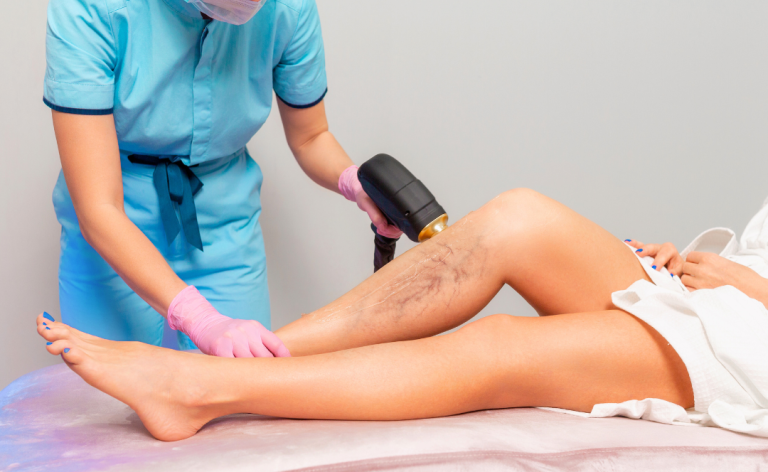
Does Venous Deficiency Have Your Veins Going on Strike?
When Your Veins Start Complaining Picture this: You’re cruising through your day, walking around, and suddenly—BAM! Your legs feel heavy,…
Read more