

DIALYSIS ACCESS SERVICES
For patients who rely on dialysis for survival, maintaining a healthy, functioning vascular access point is everything. At Prospero Vascular, we specialize in minimally invasive, outpatient dialysis access care that keeps blood flowing and dialysis sessions running smoothly — with fewer hospital visits, less downtime, and more comfort.
Whether you’re preparing for your first dialysis treatment or you’ve been managing kidney disease for years, our vascular specialists provide the expertise needed to place, maintain, and restore dialysis access using advanced, image-guided techniques.
What Is Dialysis Access?
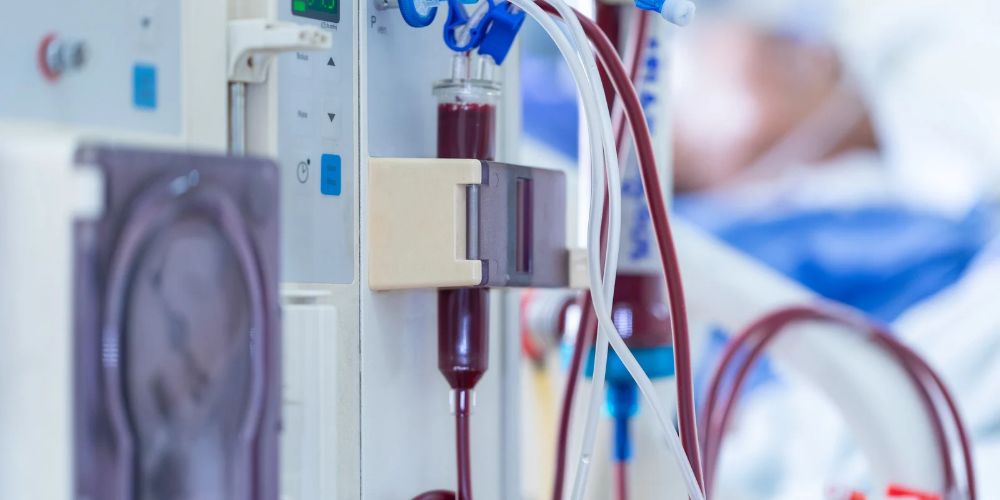
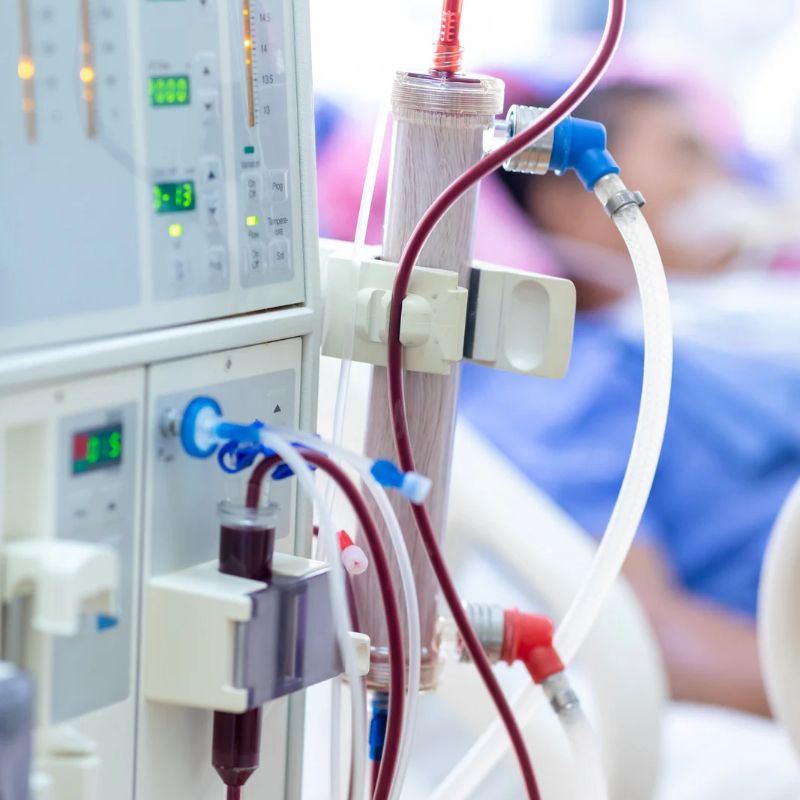
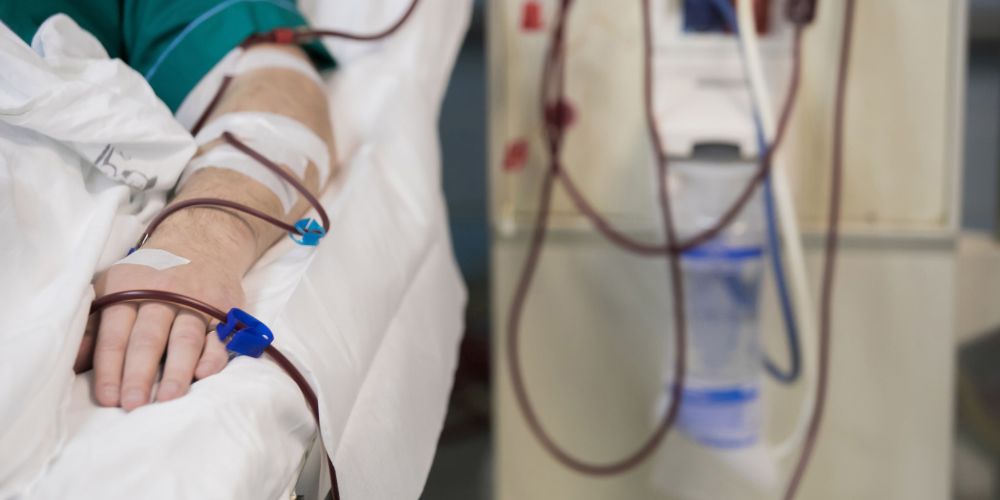
Dialysis access refers to the surgically created site on the body where blood is removed, filtered, and returned during hemodialysis. Because dialysis requires high-volume blood flow several times a week, this access site must be strong, durable, and easy to reach. There are three main types of dialysis access:
1. Arteriovenous (AV) Fistula
The gold standard in dialysis access. Created by connecting a vein directly to an artery, usually in the arm. It typically takes several weeks to “mature,” but it lasts the longest and has the lowest complication rates.
2. Arteriovenous (AV) Graft
A synthetic tube used to connect a vein and artery when veins are too small or fragile for a fistula. Grafts mature more quickly than fistulas but may require more maintenance over time.
3. Central Venous Catheter (CVC)
A temporary solution placed in a large vein in the neck, chest, or groin. Used when immediate dialysis is necessary or while waiting for a fistula or graft to mature. Catheters carry the highest infection risk and are not ideal for long-term use.
Our Outpatient Dialysis Access Services
At Prospero Vascular, we offer a complete suite of diagnostic and interventional services to manage dialysis access without the need for hospitalization. Our goal is to keep you out of the hospital and in control of your dialysis care.
1. Fistula and Graft Evaluation
Using duplex ultrasound and fistulography, we assess blood flow through your access site and identify issues like stenosis (narrowing), thrombosis (clotting), or poor maturation. Regular evaluations help prevent problems before they interfere with dialysis.
2. Angioplasty for Access Maintenance
If your fistula or graft has narrowed due to scarring or plaque buildup, angioplasty is a minimally invasive way to reopen the vessel. A small balloon is inserted and inflated to restore blood flow, often extending the life of the access site.
3. Thrombectomy (Declotting)
If your access becomes clotted and unusable, a quick outpatient thrombectomy can remove the clot and restore function — often the same day. We use advanced catheter-based tools and medications to break up and remove the blockage.
4. Catheter Placement and Exchange
We place temporary or tunneled central venous catheters for patients who need immediate dialysis. We also replace or reposition existing catheters when complications arise.
5. Fistulogram / Graftogram
This imaging procedure uses contrast dye and real-time X-ray (fluoroscopy) to visualize blood flow through your dialysis access. It helps pinpoint narrowing or blockages that can interfere with dialysis.
6. Stent Placement
If angioplasty alone isn’t enough to keep a vessel open, we can insert a tiny metal mesh stent to reinforce the walls and prevent future narrowing. Stents are often used in recurrent access site issues.
What to Expect
All of our dialysis access procedures are performed in our accredited outpatient vascular center. Here’s what a typical visit looks like:
Before Your Procedure
- You’ll meet with one of our specialists to review your symptoms, imaging results, and dialysis history.
- Most procedures require only local anesthesia and mild sedation.
- You can continue taking most medications — we’ll let you know if any need to be paused.
During the Procedure
- Access is usually through a small puncture site, with real-time imaging guiding the tools.
- The procedure typically lasts 30 to 90 minutes depending on the issue.
- You’ll be monitored throughout for safety and comfort.
Afterward
- Most patients recover on-site for 1–2 hours before going home.
- You’ll receive instructions on caring for the access site and activity guidelines.
- Many patients return to dialysis within 24–48 hours.
Why Dialysis Access Care Matters
Dialysis patients depend on their access site multiple times each week. A narrowed or blocked access doesn’t just make dialysis harder — it puts your entire treatment at risk.
By addressing issues early and maintaining access regularly, you can:
- Avoid missed dialysis sessions
- Prevent hospital admissions
- Reduce the need for emergency catheter placements
- Extend the life of your fistula or graft
- Improve dialysis efficiency and outcomes
Dialysis access dysfunction is one of the top causes of hospitalization for dialysis patients — but it doesn’t have to be. At Prospero Vascular, our outpatient approach gives you control over your care while reducing risks and costs.
Common Signs of Access Problems
If you or your dialysis nurse notice any of the following signs, it’s time to schedule a vascular evaluation:
- Decreased thrill or bruit (the vibration or sound over your access)
- Prolonged bleeding after dialysis
- Difficulty inserting needles
- Swelling in the arm or hand
- Unusual redness, pain, or drainage
- Inadequate blood flow during dialysis sessions
- Recurring clots or frequent interventions
We work closely with local dialysis centers and nephrologists to ensure quick response times and streamlined communication. If your access is showing signs of trouble, we can typically perform the evaluation and necessary intervention within 24–48 hours.
Who Needs Dialysis Access Services?
You may benefit from our dialysis access procedures if:
- You’re preparing to start dialysis and need your first access created
- You have a fistula or graft that isn’t maturing or functioning properly
- You’ve had repeated catheter infections or clots
- You’re experiencing low blood flow during dialysis
- Your nephrologist or dialysis nurse has identified problems with your access site
You don’t need to wait until it becomes an emergency. Our goal is early detection and proactive treatment, so your access keeps working — and you stay out of the hospital.
Benefits of Outpatient Dialysis Access Care
Dialysis access procedures don’t require a hospital stay. Our outpatient center is specially designed for these treatments, offering:
- Faster scheduling – We can often treat the same week, sometimes the same day.
- Lower cost – Outpatient procedures are significantly more affordable than hospital interventions.
- Minimal downtime – Most patients resume normal activity within a day.
- Comfortable environment – No waiting rooms full of sick patients, no overnight stays.
- Personalized care – We treat you like a person, not just a case.
Patients with kidney disease often face frequent medical appointments — our mission is to make access care as seamless and stress-free as possible.
Risks and Safety
Dialysis access procedures are very safe, especially when performed in an experienced outpatient setting. But like any procedure, there are potential risks:
- Bleeding or bruising at the puncture site
- Infection (rare with proper care)
- Injury to the blood vessel
- Re-narrowing or re-clotting
- Allergic reaction to contrast dye
- Kidney strain from contrast (we use the lowest dose possible)
At Prospero Vascular, we take every precaution to minimize these risks. Our team is trained specifically in outpatient vascular care, using the latest techniques and protocols for patient safety.
Long-Term Access Management
Dialysis access isn’t a one-time fix — it’s a long-term commitment. At Prospero Vascular, we offer:
- Routine monitoring
- Preventative maintenance
- Timely interventions
- Collaboration with your dialysis team
We build lasting relationships with our patients and their nephrologists, ensuring that issues are caught early and treated quickly. Our goal is to help you maintain functional access for as long as possible — safely, comfortably, and without unnecessary hospital visits.
FAQs
Is a referral needed for dialysis access services?
We accept self-referrals and referrals from dialysis clinics, nephrologists, or primary care providers. If you’re not sure, give us a call and we’ll guide you through the process.
How soon can I get an appointment?
We reserve appointments for urgent access issues and can often see patients within 24–48 hours.
Can I go to dialysis the same day as a procedure?
Depending on the intervention, you may be able to resume dialysis the same day or the next. We coordinate with your dialysis center to make sure there are no interruptions.
Do you accept Medicare and insurance?
Yes. Most dialysis access procedures are fully covered by Medicare and major insurance plans. Our team will verify your benefits before treatment.
What if my access keeps clotting?
Recurrent clotting may require a stent or even revision of your access. We’ll determine the cause and offer the most effective solution to restore long-term flow.
Take Control of Your Dialysis Access
Your access is your lifeline — and it deserves expert care. At Prospero Vascular, we provide the experience, technology, and compassion to keep your dialysis access healthy, functioning, and out of the hospital. Whether you’re dealing with a failing fistula, a clotted graft, or need a catheter placed urgently, we’re here to help — fast.
Call Prospero Vascular today to schedule your evaluation or referral. Let’s keep your access working, and your life moving forward.