



Peripheral neuropathy is a condition that occurs when the peripheral nerves—which carry signals between the brain, spinal cord, and the rest of the body—become damaged. This can lead to numbness, tingling, burning pain, muscle weakness, and loss of coordination, most commonly in the hands and feet.
Neuropathy can be caused by diabetes, infections, autoimmune diseases, poor circulation, or nerve compression. While the condition is often chronic and progressive, treatments like medications, lifestyle changes, physical therapy, and interventional radiology (IR) procedures can help manage symptoms and improve quality of life.
We offer comprehensive Peripheral Neuropathy treatment options. Call Today to schedule a consultation!
Causes & Risk Factors
Peripheral neuropathy can result from various underlying conditions, including:
What Causes Peripheral Neuropathy?
- Diabetes (Diabetic Neuropathy) – High blood sugar damages nerves over time.
- Poor Circulation (Vascular Diseases & PAD) – Reduced blood flow deprives nerves of oxygen.
- Autoimmune Disorders – Conditions like lupus or rheumatoid arthritis attack the nerves.
- Infections – Viruses like shingles, HIV, and Lyme disease can cause nerve damage.
- Vitamin Deficiencies – Lack of B12, folate, or other essential nutrients affects nerve health.
- Toxins & Medications – Certain chemotherapy drugs and excessive alcohol intake contribute to nerve damage.
- Injuries & Nerve Compression – Trauma or conditions like carpal tunnel syndrome can lead to neuropathy.
Risk Factors for Peripheral Neuropathy:
- Uncontrolled Diabetes – The leading cause of neuropathy.
- Smoking & Excessive Alcohol Use – Increases nerve damage risk.
- Chronic Kidney or Liver Disease – Can lead to toxin buildup affecting nerves.
- Genetics – Some inherited disorders can cause neuropathy.
- Exposure to Toxins or Heavy Metals – In industrial work or through certain medications.
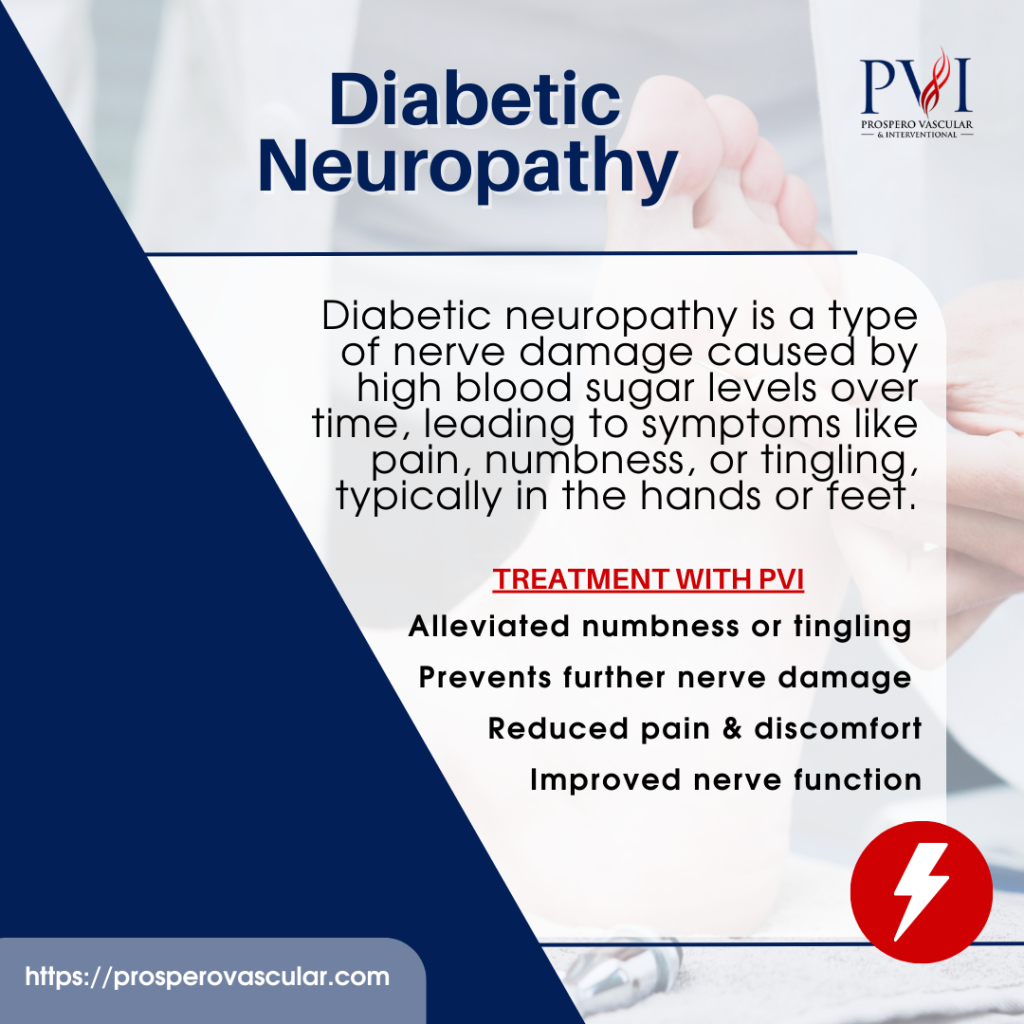
Symptoms of Peripheral Neuropathy
Neuropathy symptoms depend on the type of nerve affected—sensory, motor, or autonomic nerves.
Common Symptoms
- Numbness, tingling, or burning pain (often in the hands and feet).
- Sharp, stabbing, or throbbing pain in affected areas.
- Loss of sensation—difficulty feeling temperature, touch, or pain.
- Muscle weakness or cramping—leading to balance and mobility issues.
- Increased sensitivity to touch (Allodynia)—even light contact can cause pain.
- Difficulty walking or performing fine motor tasks (buttoning a shirt, gripping objects).
Severe Symptoms (Require Medical Attention)
- Loss of bladder or bowel control—can indicate autonomic nerve involvement.
- Severe foot ulcers or infections—a risk for diabetic neuropathy.
- Extreme weakness or paralysis—could indicate progressive nerve damage.
Diagnosis of Peripheral Neuropathy
A proper diagnosis is crucial for identifying the underlying cause and determining the best treatment.
- Medical History & Symptom Review – Evaluating lifestyle, existing conditions, and medication use.
- Physical & Neurological Exam – Checking reflexes, muscle strength, and sensory function.
- Electromyography (EMG) & Nerve Conduction Studies (NCS) – Measures nerve function and damage.
- Blood Tests – Detects diabetes, vitamin deficiencies, infections, or autoimmune disorders.
- Imaging (MRI/CT Scans) – Identifies structural causes like herniated discs or nerve compression.
- Skin or Nerve Biopsy – Rarely used but can provide detailed nerve damage analysis.
Living With Peripheral Neuropathy
Managing neuropathy requires long-term care and lifestyle adjustments to minimize discomfort. For many, early intervention and consistent care can significantly improve symptoms and prevent complications.
Daily Management Tips:
- Maintain Good Blood Sugar Levels – Crucial for diabetic neuropathy.
- Engage in Low-Impact Exercise – Walking, swimming, or yoga can improve circulation.
- Wear Supportive Footwear – Protects against injuries and ulcers.
- Practice Nerve-Friendly Nutrition – Eat a balanced diet with omega-3s, antioxidants, and B vitamins.
- Monitor Skin & Feet Regularly – Check for cuts, sores, or infections, especially in diabetes.
Treatment Options for Peripheral Neuropathy
While nerve damage is often irreversible, early intervention can slow progression and relieve symptoms.
- Lifestyle changes:
Blood Sugar Control (For Diabetic Neuropathy) – Maintaining stable glucose levels prevents further damage. - Medications:
Anticonvulsants (Gabapentin, Pregabalin) – Reduces nerve pain.
Antidepressants (Amitriptyline, Duloxetine) – Alters pain perception.
NSAIDs & Pain Relievers – Helps with mild discomfort.
Vitamin Supplements – B12, folate, and other nutrients may improve nerve health.
Physical Therapy & Exercise – Improves balance, circulation, and strength. - Minimally Invasive Procedures:
Nerve Stimulation (TENS Therapy) – Uses electrical impulses to relieve pain.
Plasma Exchange (For Autoimmune-Related Neuropathy) – Filters harmful antibodies from the blood.
Interventional Radiology (IR) Treatments – Non-surgical solutions for neuropathy pain.
Interventional Radiology for Peripheral Neuropathy
IR procedures provide minimally invasive options for patients who do not respond to traditional treatments. These IR treatments help patients reduce medication reliance, improve mobility, and regain daily function.
Nerve Blocks
- Injected near the affected nerves to reduce pain signals.
- Used for diabetic neuropathy, post-surgical pain, or nerve compression.
Radiofrequency Ablation (RFA)
- Uses heat energy to disrupt pain signals from damaged nerves.
- Offers long-lasting relief for chronic neuropathic pain.
Spinal Cord Stimulation (SCS)
- Implants a small device that sends electrical signals to block pain.
- Effective for severe, treatment-resistant neuropathy.
FAQ: Common Peripheral Neuropathy Questions
What is the most common cause of peripheral neuropathy?
Diabetes is the leading cause, followed by vascular diseases, autoimmune disorders, and infections.
Can peripheral neuropathy be cured?
While nerve damage is often irreversible, symptoms can be managed effectively with proper treatment.
What is the best treatment for neuropathy pain?
A combination of lifestyle changes, medications, and minimally invasive procedures (like nerve blocks or radiofrequency ablation) can provide significant relief.
Can neuropathy affect more than just the hands and feet?
Yes, autonomic neuropathy can impact digestion, blood pressure, bladder control, and other bodily functions.
Is interventional radiology (IR) an option for treating neuropathy?
Yes! IR treatments like nerve blocks, radiofrequency ablation, and spinal cord stimulation are effective for chronic neuropathy pain relief.
Why Choose Prospero?
Exceptional patient-centered care, innovative treatments, and a focus on quick recovery without surgery.
- Experienced Interventional Specialists: Our skilled team offers advanced, image-guided procedures for vascular and non-vascular conditions.
- Minimally Invasive Treatments: We focus on outpatient solutions that reduce recovery time, often allowing for same or next-day recovery.
- Comprehensive & Compassionate Care: We take a patient-centered approach, ensuring comfort, safety, and optimal outcomes.
- Flexible & Same-Day Appointments: Prioritize your health without long wait times.

Latest Articles about Peripheral Neuropathy

Neuropathy Quiz: Quick Answers for Numbness, Tingling, or Burning in Your Feet
If you're dealing with numbness, tingling, or burning in your feet or hands, our fast and free neuropathy quiz could…
Read more
Peripheral Neuropathy
Peripheral neuropathy is a condition that affects the nerves outside the brain and spinal cord, often causing pain, numbness, tingling,…
Read more
Don’t Let Peripheral Neuropathy Numb Your Life
Don’t Let Peripheral Neuropathy Numb Your Life Non-Invasive Relief at Prospero Vascular & Interventional Nerves on Edge? That’s Not the…
Read more